
Counselors
Anyone who is struggling with a personal concern can seek counseling. A trained counselor has usually studied counseling, psychotherapy, psychology or social work at university level for 3 to 6 years. Find comprehensive healthcare information and local resources in Grand Rapids, Michigan.
Counselors in Grand Rapids, Michigan
We all face personal challenges at different points in our lives. Sometimes talking with friends or family in Grand Rapids is enough; other times, problems feel too overwhelming to handle alone. When that happens, working with a professional counselor in Grand Rapids, MI can provide structured support, tools, and a safe space to talk.
This guide explains what counseling is, how it works, how to find a qualified counselor in Grand Rapids, and what local resources are available.
What Is Counseling?
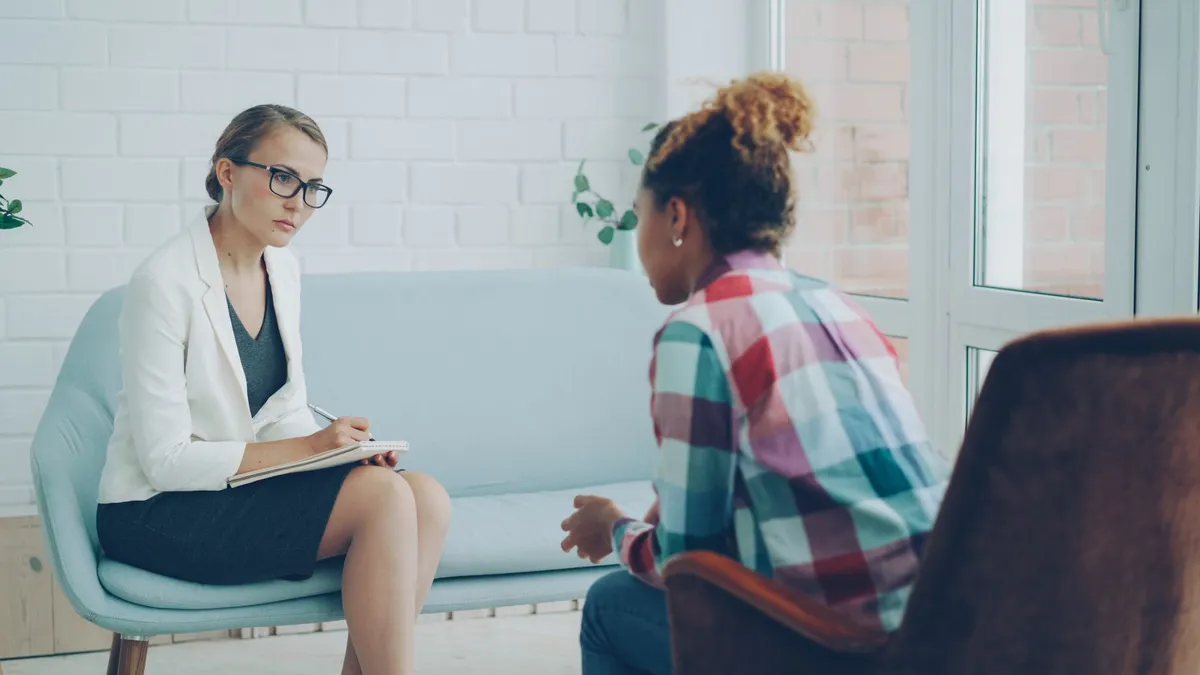
A counselor is a trained, objective mental health professional with whom you can build a trusting, healing relationship. Most counselors provide talk-based therapy, helping you:
- Clarify what you’re going through
- Explore your options
- Develop practical coping strategies
- Increase your self-awareness and resilience
For many people in Grand Rapids, simply telling their story to someone who listens without judgment is a powerful first step toward feeling better.
Counseling vs. Psychotherapy vs. Psychiatry
These terms are often used together, but they are not the same:
Counselor / Therapist
- Provides talk-based therapy
- Helps with emotional, relationship, and life challenges
- Is not a medical doctor and cannot prescribe medication
Psychotherapist
- Also provides talk-based therapy
- Often has advanced training in specific therapeutic approaches (e.g., psychodynamic, CBT)
- There is overlap with counseling; some professionals use both titles
Psychiatrist
- A medical doctor specializing in mental health
- Can diagnose mental health conditions and prescribe medications
- May offer talk therapy as well as medication management
In Grand Rapids, psychiatrists often work in larger health systems such as Corewell Health (formerly Spectrum Health), Trinity Health Grand Rapids, University of Michigan Health-West (formerly Metro Health), and Trinity Health Grand Rapids.
Types of Talk-Based Therapy
Counselors in Grand Rapids may use one or more evidence-based approaches, including:
- Cognitive Behavioral Therapy (CBT) – focuses on changing unhelpful thoughts and behaviors
- Dialectical Behavior Therapy (DBT) – often used for intense emotions, self-harm, or chronic relationship issues
- Solution-Focused Therapy – emphasizes goals and short-term problem-solving
- Trauma-Informed Therapy / EMDR – for people who have experienced trauma
- Couples and Family Therapy – for relationship and family concerns
- Grief and Loss Counseling – for bereavement or major life changes
Many local counselors tailor their approach based on your needs, age, culture, and personal preferences.
Confidentiality in Counseling
Counseling provides confidential support. In almost all cases, what you share stays between you and your counselor.
There are a few legal exceptions, which your counselor should explain at your first session. In Michigan, counselors must act if:
- You are at serious risk of harming yourself
- You are at serious risk of harming someone else
- There is suspected abuse or neglect of a child or vulnerable adult
- A court orders records to be released
Outside of these situations, your information is private.
What Issues Can Counseling Help With?
No issue is “too big” or “too small” to ask for support. People in Grand Rapids seek counseling for many reasons, including:
- Stress and burnout (common with demanding jobs, caregiving, or financial strain)
- Anxiety and panic
- Depression and low mood
- Grief and loss (death of a loved one, miscarriage, loss of a job)
- Relationship and marriage difficulties
- Family and parenting challenges
- Life transitions – such as:
- Moving to or from Grand Rapids
- Starting or finishing college (e.g., GVSU, Aquinas, GRCC)
- Divorce or separation
- Birth or adoption of a child
- Work and career issues
- Trauma and abuse
- Chronic illness or pain
- Seasonal Affective Disorder (SAD) – particularly relevant in West Michigan’s long, cloudy winters
- Substance use concerns
Local factors such as long, dark winters, Great Lakes weather, and economic shifts in the Grand Rapids area can all impact mental health. Counselors here are familiar with these local stressors and can help you navigate them.

Grand Rapids–Specific Mental Health Considerations
Living in West Michigan brings unique challenges and strengths:
- Cold, snowy winters and fewer daylight hours can worsen depression or seasonal affective disorder. Counselors may recommend light therapy, routine changes, and coping strategies tailored to Michigan winters.
- Weather-related stress (icy roads, lake-effect snow) can increase anxiety, especially for those commuting around the metro area.
- Diverse population – Grand Rapids includes many different cultural, racial, and religious communities. You may want a counselor who understands or shares your cultural background.
- College and student stress – With several colleges and universities nearby, student mental health is a major focus for many local providers.
How to Find a Qualified Counselor in Grand Rapids, MI
In the United States, the title “counselor” or “psychotherapist” is not always strictly regulated, so it’s important to check a professional’s credentials.
Look for Licensed Professionals
In Michigan, you can look for:
- LPC – Licensed Professional Counselor
- LLPC – Limited Licensed Professional Counselor (working under supervision)
- LLMSW / LMSW – Licensed Master’s Social Worker
- LP – Licensed Psychologist
- Psychiatrist (MD or DO) – for medication and psychiatric evaluation
Most qualified counselors in Grand Rapids have at least a master’s degree in counseling, social work, psychology, or a related field, plus supervised clinical experience and state licensure.
Where to Search Locally
You can find counselors in Grand Rapids through:
Major health systems
- Corewell Health (Corewell Health) Behavioral Health Services
- Trinity Health Grand Rapids Behavioral Health
- University of Michigan Health-West
- Trinity Health Grand Rapids behavioral and mental health programs
Public and community resources
- Kent County Health Department – can provide referrals to local mental health services
- Network 180 – community mental health authority for Kent County
- Grand Rapids Public Schools & local colleges – often have school or campus counseling services
Online directories
- Psychology Today
- TherapyDen
- Your health insurance company’s provider directory
Questions to Ask When Choosing a Counselor
Your first session is a chance to see if a counselor is a good fit. Consider asking:
- What are your credentials and license in Michigan?
- How many years have you been practicing?
- What types of issues do you specialize in (e.g., trauma, couples, teens, anxiety)?
- What therapeutic approaches do you use?
- Do you have experience working with people in Grand Rapids / West Michigan with concerns similar to mine?
- What are your fees and do you accept my insurance?
- Do you offer telehealth / online sessions, especially during winter weather?
After the first session, ask yourself:
- Do I feel reasonably comfortable and safe with this person?
- Do I feel heard and understood?
- Can I talk about deeply personal thoughts and emotions with them?
- Does their style (more structured vs. more conversational) work for me?
If the answer is no, it is completely acceptable not to go back and to try someone else.
Counseling Costs in Grand Rapids
Fees can vary widely depending on the provider and setting:
Community clinics, universities, and non-profits may offer:
- Free or low-cost counseling
- Sliding-scale fees based on income
Private practice counselors in Grand Rapids may charge:
- Approximately $80 to $200+ per session, depending on qualifications and specialization
Cost does not always reflect quality. Some excellent counselors work in community settings or offer reduced fees.
Insurance and Payment Options
- Many counselors in Grand Rapids accept private insurance (e.g., Priority Health, Blue Cross Blue Shield of Michigan, Aetna, UnitedHealthcare).
- Some offer self-pay discounts or sliding scales.
- Ask if they are in-network with your insurance to reduce out-of-pocket costs.

Is Counseling Covered by Insurance or Medicare?
Medicare
In Michigan:
- Medicare can cover certain mental health services, including counseling and psychotherapy, when provided by eligible professionals (such as psychiatrists, clinical psychologists, clinical social workers, and some other licensed professionals).
- You typically need a referral or evaluation from your doctor to determine whether you would benefit from mental health support and to create a treatment plan.
- Coverage and out-of-pocket costs (copays, deductibles) depend on whether you have Original Medicare, Medicare Advantage, and any supplemental plans.
Always confirm with:
- Your primary care provider (for example, at Corewell Health, Trinity Health Grand Rapids, or University of Michigan Health-West)
- Your Medicare or Medicare Advantage plan
- The counselor’s office directly
Private Health Insurance
You may be eligible for a partial or full reimbursement for counseling depending on your plan. Check:
- Your mental health / behavioral health benefits
- In-network vs. out-of-network coverage
- Session limits per year
- Copays or coinsurance amounts
How Many Counseling Sessions Will I Need?
There is no one-size-fits-all answer. It depends on:
- The nature and severity of your concerns
- Your goals for counseling
- How often you attend sessions
- Whether deeper issues emerge over time
Some people feel better after just a few sessions. Others benefit from longer-term therapy, especially when dealing with trauma, chronic depression, or long-standing relationship patterns.
It is reasonable to ask your counselor for an estimate of how many sessions they think you might need, understanding that this can change as therapy progresses.
When to Consider Counseling in Grand Rapids
You might benefit from seeing a counselor if:
- You feel overwhelmed, stuck, or hopeless
- Your mood, anxiety, or stress is affecting your work, school, or relationships
- You’re struggling with grief, loss, or a major life change
- You’re having trouble coping with Michigan’s winters and notice seasonal mood changes
- You’re using alcohol, drugs, or other behaviors to cope with difficult emotions
- You simply want to understand yourself better and improve your quality of life
You do not need to wait until things are “really bad” to seek help.
Local Mental Health Resources in Grand Rapids, MI
If you need support in the Grand Rapids area, consider:
- Kent County Health Department – Information and referrals for local mental health resources
- Network 180 – Community mental health and substance use services in Kent County
- Corewell Health (Corewell Health) Behavioral Health – Outpatient and hospital-based services
- Trinity Health Grand Rapids – Behavioral health and counseling services
- University of Michigan Health-West �� Mental health and primary care integration
- Trinity Health Grand Rapids – Behavioral medicine and counseling
In a mental health crisis (e.g., thoughts of self-harm or harming others), call:
- 988 – National Suicide & Crisis Lifeline (available in Grand Rapids and across the U.S.)
- Local emergency services: 911 or go to the nearest emergency department (e.g., Corewell Health Butterworth Hospital, Trinity Health Grand Rapids Hospital)
Taking the First Step
Reaching out for counseling is a sign of strength, not weakness. Whether you’re dealing with stress from a Grand Rapids winter, relationship struggles, work pressures, or long-standing emotional pain, professional support is available.
With many qualified counselors, psychologists, social workers, and psychiatrists in the Grand Rapids area—as well as community and public health resources—you do not have to navigate these challenges alone.
You might also like
Obsessive compulsive disorder - family and friends
Be informed – accept that OCD is a recognized and treatable mental health condition, and that understanding what it is …
Forensic mental health
Forensic mental health is a specialist area in the mental health system relating to the intersection between mental …
Referrals and access to mental health services
If you need immediate assistance, call 911 If you feel that something is not quite right with your thoughts, feelings or …