
Chikungunya: Symptoms, Treatment, and Prevention for Grand Rapids Travelers
Chikungunya is a mosquito-borne virus that causes fever and joint pain, mostly affecting Grand Rapids residents who travel to areas where the virus spreads. Find comprehensive healthcare information and local resources in Grand Rapids, Michigan.
Chikungunya in Grand Rapids, Michigan
The mosquitoes that spread chikungunya are not native to Michigan’s cold-winter climate, so you will not catch this virus from a bite along the Grand River or at a Lake Michigan beach. Instead, chikungunya matters most to Grand Rapids residents who travel to warmer parts of the world where the virus is active. If you are planning a trip and want to protect yourself, this plain-language guide explains what chikungunya is, how to prevent it, and when to talk with a Kent County healthcare provider.
What Chikungunya Is
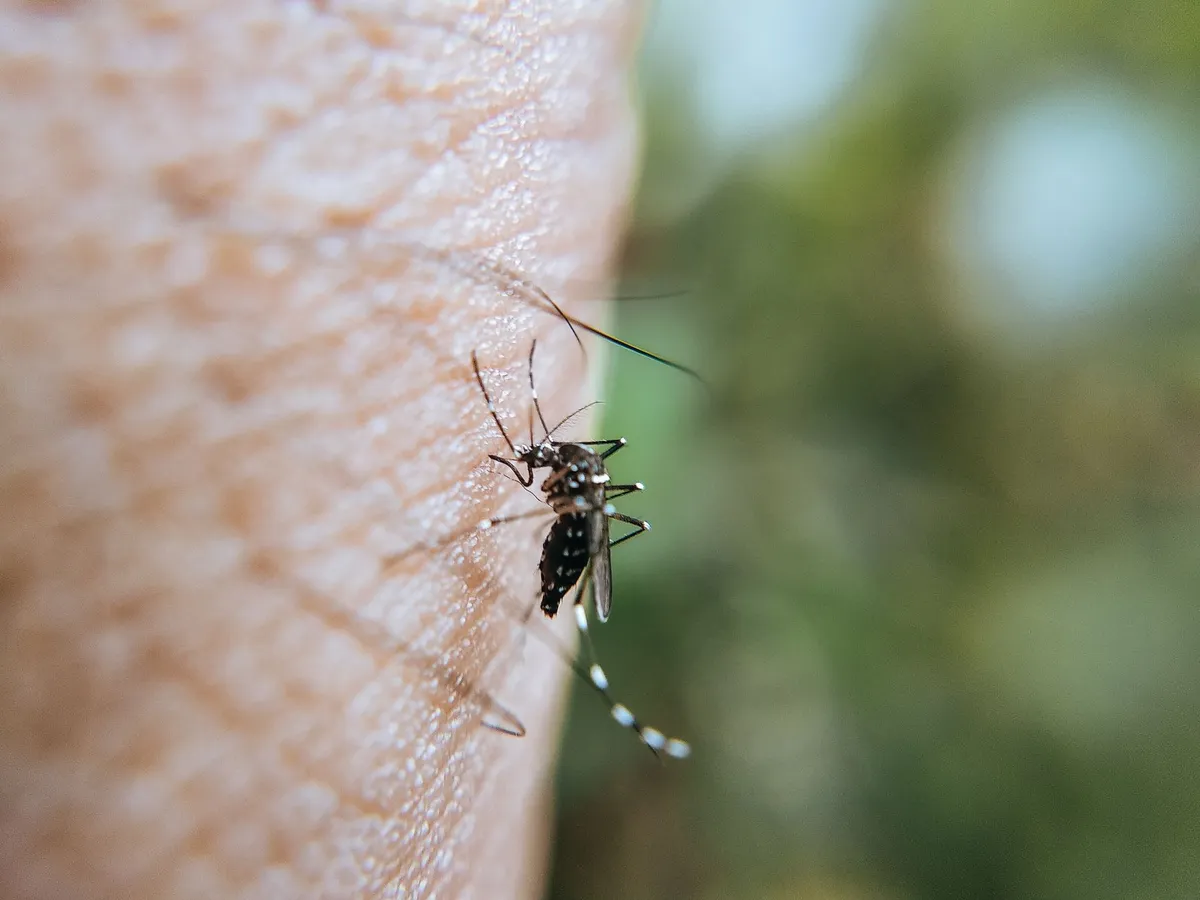
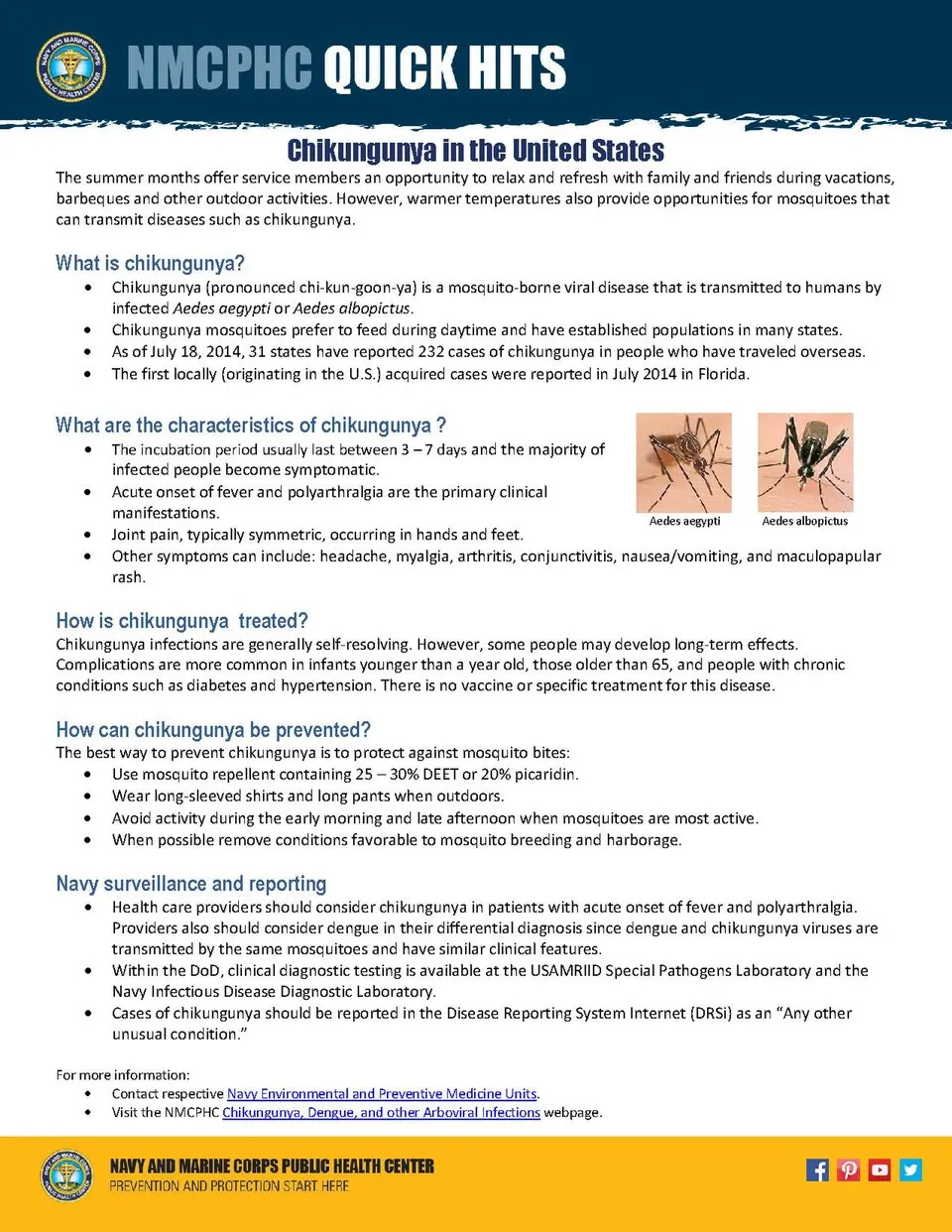
Chikungunya is a disease caused by the chikungunya virus. The virus spreads to people through the bites of infected mosquitoes, mainly the Aedes aegypti and Aedes albopictus species. It does not spread directly from person to person.
Here is how the cycle works:
- An infected mosquito bites a person and passes the virus to them.
- During the first week of illness, that sick person carries the virus in their blood.
- A mosquito that bites the sick person during this week can pick up the virus and go on to infect someone else.
This is why people who have chikungunya are asked to avoid mosquito bites during their first week of symptoms.
Symptoms to Watch For
Symptoms usually begin within days of being bitten by an infected mosquito. The two most common symptoms are:
- Fever
- Joint pain
Other symptoms can include:
- Headache
- Muscle pain
- Joint swelling
- Rash
Most people feel better within about a week. For some, though, joint pain can linger for months.
Newborns infected around the time of birth, adults 65 and older, and people with conditions such as high blood pressure, diabetes, or heart disease are at increased risk for more severe disease. Because these conditions are common in West Michigan, older travelers and those managing chronic illness should be especially careful.
How Chikungunya Is Treated
There is no specific antiviral medicine for chikungunya. Care focuses on easing symptoms while your body recovers:
- Rest
- Drinking fluids
- Using over-the-counter medicine to reduce fever and pain
One important caution: until a provider has ruled out dengue (another mosquito-borne illness with similar symptoms), the CDC advises using acetaminophen (also called paracetamol) for pain and fever. Avoid aspirin and other NSAIDs, such as ibuprofen, until dengue is ruled out, because these can raise the risk of bleeding.
If you become sick, also take steps to prevent mosquito bites during your first week of illness so you do not pass the virus to mosquitoes that could infect other people.
Preventing Mosquito Bites
The best way to prevent chikungunya is to avoid mosquito bites while you are in an area where the virus spreads. The CDC recommends:
- Using an EPA-registered insect repellent
- Wearing long-sleeved shirts and long pants
- Treating clothing and gear with 0.5% permethrin
- Staying in places with air conditioning or window and door screens
Pack these items before you leave Grand Rapids so you are ready when you arrive at your destination.
The Chikungunya Vaccine
A newer option is VIMKUNYA, a virus-like particle (non-live) chikungunya vaccine approved in the U.S. for people 12 years and older. It is given as a single dose.
The CDC recommends chikungunya vaccination for:
- Certain travelers going to areas with a chikungunya outbreak
- Some people staying long-term in high-risk areas
- Certain laboratory workers
If you are pregnant, immunocompromised, or have severe allergies to vaccine components, talk with your provider before getting the vaccine. A travel medicine visit with Corewell Health, Trinity Health Grand Rapids, University of Michigan Health-West, or Cherry Health is a good place to discuss whether the vaccine is right for your trip.
When to See a Provider in Grand Rapids
See a healthcare provider if you develop symptoms such as fever and joint pain after traveling to or living in an area where chikungunya virus is present. Be sure to mention your recent travel, since that detail helps your provider consider chikungunya and related illnesses.
You can reach out to:
- Your primary care doctor at Corewell Health, Trinity Health Grand Rapids, or University of Michigan Health-West
- Cherry Health community health centers
- The Kent County Health Department for travel and public health questions
For a true medical emergency, call 911. Planning ahead, protecting yourself from mosquito bites, and knowing when to seek care are the best ways for Grand Rapids travelers to stay healthy.
You might also like
Blastomycosis: Symptoms, Risks, and Care in Grand Rapids, Michigan
Blastomycosis is a lung infection caused by breathing in spores from the Blastomyces fungus, which lives in moist soil …
C. diff Infection: Symptoms, Prevention, and Care in Grand Rapids, Michigan
C. diff (Clostridioides difficile) is a germ that causes diarrhea and colon inflammation, and it most often strikes …
Childhood Immunization Schedule: A Grand Rapids Parent's Guide
The CDC childhood immunization schedule lays out which vaccines protect your child and when, from birth through the teen …