

Celiac disease and gluten sensitivity
Celiac disease is an autoimmune disease where the immune system reacts abnormally to gluten. For people with celiac disease, even small amounts of gluten can damage the lining of the small intestine (bowel), which prevents the proper absorption of food nutrients. Find comprehensive healthcare information and local resources in Grand Rapids, Michigan.
Celiac Disease and Gluten Sensitivity in Grand Rapids, Michigan
Celiac disease (pronounced SEE-lee-ak) is a serious autoimmune condition that can cause long‑term health problems if it is not diagnosed and treated properly. It primarily affects the small intestine, but it can also cause inflammation in other parts of the body.
In celiac disease, eating gluten — a protein found in wheat, barley, and rye, and related proteins in oats — triggers an immune reaction that damages the lining of the small intestine. For residents of Grand Rapids and West Michigan, early diagnosis and proper management are essential to prevent complications and maintain a good quality of life.
What Is Gluten?
Gluten is a family of proteins found in certain grains:
- Wheat – contains gliadin
- Rye – contains secalin
- Barley – contains hordein
- Oats – contain avenin
These proteins are known as prolamins. In people with celiac disease, the prolamin fraction of gluten triggers an autoimmune response that damages the intestinal lining.
For someone with confirmed celiac disease, the only effective treatment is to avoid all foods and drinks that contain gluten, including many common baked goods, pastas, and processed foods.
How Celiac Disease Damages the Small Intestine
The normal lining of the small intestine (also called the small bowel) is covered with tiny, finger‑like projections called villi. These villi greatly increase the surface area of the intestine and help your body break down and absorb nutrients.
In celiac disease:
- The immune system attacks the lining (mucosa) of the small intestine.
- The villi become inflamed and flattened — a change called villous atrophy.
- The surface area for absorption is seriously reduced.
- As a result, the body cannot absorb nutrients, vitamins, and minerals properly.
Possible Complications of Untreated Celiac Disease
If celiac disease is not diagnosed and treated, it can lead to:
- Malnutrition due to poor absorption
- Chronic anemia (often iron, folate, or B12 deficiency)
- Osteoporosis or early bone thinning
- Infertility or recurrent miscarriage
- Delayed growth and puberty in children
- Neurological problems (such as peripheral neuropathy or ataxia)
- Increased risk of certain cancers, including lymphoma
In a cold‑weather city like Grand Rapids, where residents already face higher risks of vitamin D deficiency and seasonal mood changes, the nutrient malabsorption from untreated celiac disease can worsen bone health and fatigue.
Symptoms of Celiac Disease
Symptoms of celiac disease can range from very obvious to extremely subtle. Some people in Grand Rapids may be misdiagnosed with irritable bowel syndrome (IBS), “wheat sensitivity,” stress, or simply “getting older.”
Common Symptoms in Adults
Adults with celiac disease may experience:
- Diarrhea or constipation
- Abdominal pain, bloating, and excess gas
- Nausea and vomiting
- Bulky, pale, foul‑smelling stools
- Unexplained weight loss (though weight gain is also possible)
- Chronic fatigue, weakness, and lethargy
- Iron‑deficiency or other types of anemia
- Early‑onset osteoporosis or frequent fractures
- Unexplained neurological symptoms (numbness, tingling, poor balance)
- Unexplained infertility or recurrent miscarriage
- Persistent elevation of liver enzymes without a clear cause
Common Symptoms in Children
Children with celiac disease may show:
- Irritability or behavior changes
- Diarrhea or constipation
- Abdominal pain and bloating
- Nausea and vomiting
- Poor weight gain or weight loss
- Delayed growth or short stature
- Delayed puberty
- Tiredness and low energy
- Dental enamel defects
In the Grand Rapids area, where winter illnesses and stomach bugs are common, persistent or recurrent digestive symptoms should not be dismissed as “just a virus” — especially if growth, weight, or energy are affected.
Who Is at Risk? (Risk Factors in Grand Rapids and the U.S.)
Around half of people in the United States carry genes that can predispose them to celiac disease. These are known as HLA‑DQ2 and HLA‑DQ8. However, only a small portion of these people will ever develop the disease.
Genetic and Family Risk
- Having one or both of the “celiac genes” (HLA‑DQ2 or HLA‑DQ8) increases risk.
- About 1 in 70 Americans is estimated to have celiac disease.
- If you have celiac disease, your first‑degree relatives (parents, children, brothers, sisters) have about a 10% chance of also having it.
Because of this, doctors in Grand Rapids often recommend that close family members of someone with celiac disease get screened, even if they feel well.
Other Conditions Linked to Celiac Disease
Celiac disease should be considered if you or your child has:
- Type 1 diabetes
- Autoimmune thyroid disease
- Unexplained iron‑deficiency anemia
- Early‑onset osteoporosis
- Unexplained neurological symptoms (especially peripheral neuropathy or ataxia)
- Unexplained infertility or recurrent miscarriage
- Down syndrome or Turner syndrome
- Persistently raised liver enzymes with no clear cause
If you live in Grand Rapids or Kent County and recognize several of these factors, talk with your primary care provider or a gastroenterologist at Corewell Health (formerly Spectrum Health), Trinity Health Grand Rapids, or University of Michigan Health-West (formerly Metro Health).
How Celiac Disease Is Diagnosed in Grand Rapids
Because many other conditions can mimic celiac disease, it is important to confirm the diagnosis correctly. Do not start a gluten‑free diet before testing, as this can cause false‑negative results.
Step 1: Blood Tests (Celiac Serology)
Your doctor will usually begin with special blood tests that measure antibodies associated with celiac disease, such as:
- Tissue transglutaminase antibodies (tTG‑IgA)
- Endomysial antibodies (EMA)
- Deamidated gliadin peptide (DGP) antibodies
These tests are most accurate when you are eating gluten regularly.
Step 2: Referral to a Gastroenterologist
If your blood tests are positive or strongly suspicious:
- Your doctor will refer you to a gastroenterologist — specialists are available through major Grand Rapids health systems such as Corewell Health, Trinity Health Grand Rapids, and University of Michigan Health-West.
- The specialist confirms the diagnosis with a gastroscopy and small bowel biopsy.
During a gastroscopy:
- You are given sedation.
- A thin, flexible tube (endoscope) is passed through your mouth into your small intestine.
- Tiny samples (biopsies) of the small bowel lining are taken and examined for villous atrophy.
In some children, celiac disease can be diagnosed without a biopsy if very strict criteria are met. However, only a gastroenterologist should make this diagnosis.
Treatment: The Gluten‑Free Diet
At present, there is no cure for celiac disease. The only effective treatment is a strict, lifelong gluten‑free diet.
What a Gluten‑Free Diet Means
If you have celiac disease, you must avoid all foods and drinks that contain:
- Wheat (including spelt, kamut, durum, semolina, bulgur, couscous)
- Barley
- Rye
- Most traditional oats (unless specifically advised by your specialist)
Even small amounts of gluten can cause intestinal damage, even if you have no obvious symptoms.
Foods That Commonly Contain Gluten
Some gluten‑containing foods are easy to recognize; others are less obvious. Common sources include:
- Bread, rolls, wraps, and bagels
- Breakfast cereals and porridge made from wheat, rye, barley, or regular oats
- Cakes, muffins, biscuits, cookies, and pastries
- Pizza bases
- Pasta and wheat‑based noodles
- Foods that are crumbed or battered
- Couscous, semolina, bulgur (burghul)
- Many processed meats (sausages, hamburgers, smallgoods, some marinades)
- Wheaten cornflour
- Soy sauce (unless labeled gluten free)
- Yeast extract spreads
- Stocks, gravies, and some soups
- Malted drinks (e.g., malted milk powders)
- Some sauces, dressings, and condiments
- Confectionery, ice cream, custard powders, icing sugar mixtures, and some baking powders
- Beer and some flavored alcoholic beverages
When eating out in Grand Rapids — whether at a local brewery, a Medical Mile café, or a neighborhood restaurant — always ask about gluten‑free options and kitchen practices to avoid cross‑contact.
Naturally Gluten‑Free Foods
Fortunately, many foods are naturally gluten free and safe, including:
- Fresh fruits and vegetables
- Fresh, unprocessed meat, poultry, and fish
- Eggs
- Nuts and seeds
- Legumes (beans, lentils, chickpeas)
- Most plain dairy products (milk, cheese, yogurt — check labels for additives)
- Fats and oils (butter, olive oil, canola oil, etc.)
- Naturally gluten‑free grains and starches, such as:
- Rice
- Corn (maize)
- Quinoa
- Buckwheat
- Sorghum
- Millet
- Tapioca
- Potato
In Grand Rapids, many grocery stores — including Meijer, Family Fare, and specialty health food shops — stock a wide range of gluten‑free breads, pastas, flours, and snacks. Look for products clearly labeled “gluten free”.
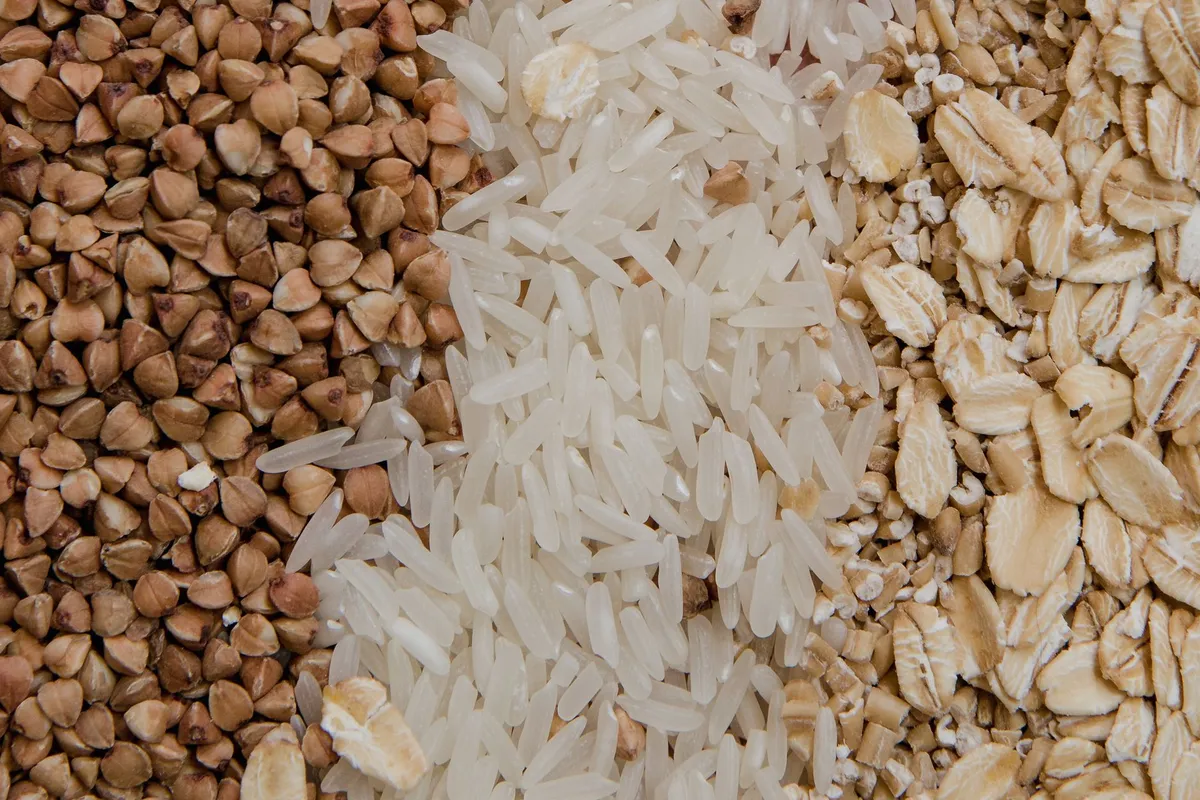
Understanding Oats and Celiac Disease
Oats contain a prolamin called avenin. While uncontaminated oats (those not mixed with wheat, barley, or rye) are tolerated by many people with celiac disease, they are not safe for everyone.
Key points about oats:
- Some people with celiac disease mount an immune response to avenin.
- You may have no symptoms while still developing intestinal damage.
- If you wish to include oats in your gluten‑free diet, do so only under medical supervision.
Your gastroenterologist may recommend:
- A gastroscopy and small bowel biopsy before starting uncontaminated oats.
- A repeat biopsy after about three months of regular oat consumption to check for damage.
Always discuss oats with your specialist or dietitian before adding them to your diet.
Avoiding Cross‑Contamination With Gluten
Even tiny amounts of gluten can damage the small intestine of someone with celiac disease. At home in Grand Rapids — especially in shared kitchens or student housing — it’s important to prevent cross‑contact.
Practical Steps to Avoid Cross‑Contact
Storage
- Keep gluten‑free products in separate, sealed, clearly labeled containers.
- Store gluten‑free foods on higher shelves to avoid crumbs falling from gluten‑containing foods.
Preparation and Cooking
- Clean all surfaces, chopping boards, and utensils before preparing gluten‑free meals.
- Use a separate toaster or toaster bags for gluten‑free bread.
- Use a clean pot with clean water for gluten‑free pasta, and a separate strainer.
- Do not use the same utensils to stir or serve gluten‑free and gluten‑containing foods.
Condiments and Spreads
- Avoid jars and tubs that may contain crumbs (butter, margarine, peanut butter, jams, spreads).
- Either:
- Keep separate gluten‑free‑only condiments, or
- Establish a strict “single‑dip” policy (no double‑dipping knives or spoons).
Frying
- Use clean oil for frying gluten‑free foods.
- Do not eat foods fried in oil that has also been used for breaded or battered foods.
Personal Hygiene
- Wash your hands thoroughly after handling gluten‑containing foods.
- Wipe down counters and tables before preparing or serving gluten‑free meals.
Reading Food Labels in the United States
All packaged foods sold in the U.S. must list their ingredients. To follow a gluten‑free diet safely:
- Read every label, every time, even on products you buy regularly.
- Look for obvious gluten sources: wheat, barley, rye, malt, and most oats.
- Check for statements like:
- “Contains wheat”
- “May contain wheat”
- “Processed in a facility that also processes wheat”
In the U.S., a product labeled “gluten free” must generally contain less than 20 parts per million (ppm) of gluten. However, those with celiac disease should still be cautious and rely on reputable brands and, when possible, products certified gluten free by recognized organizations.
Medications and Gluten
Gluten can be present in some oral medications, vitamins, and supplements as a binding agent or filler.
If you have celiac disease:
- Inform your primary care doctor and pharmacist that you must avoid gluten.
- Ask whether your prescription and over‑the‑counter medications are gluten free or if suitable alternatives are available.
- Be cautious with herbal supplements and non‑regulated products; always check with a healthcare professional.
Pharmacies across Grand Rapids — including hospital‑based pharmacies at Corewell Health and Trinity Health Grand Rapids — can help verify which medications are safe.
Living Gluten Free in Grand Rapids, MI
Adjusting to a gluten‑free lifestyle can feel overwhelming at first, but many people in Grand Rapids successfully manage celiac disease and enjoy a full, active life.
Tips for Local Living
Grocery shopping
- Major chains (Meijer, SpartanNash/Family Fare, Costco, Aldi) have dedicated gluten‑free sections.
- Health food stores and co‑ops often stock specialty gluten‑free products and flours.
Eating out
- Many Grand Rapids restaurants and breweries now offer gluten‑free menu items.
- Always:
- Ask about gluten‑free preparation and cross‑contact.
- Inform staff that you have celiac disease (not just a preference).
Seasonal considerations
- Long West Michigan winters can increase cravings for comfort foods like breads, casseroles, and baked goods — plan ahead with gluten‑free recipes.
- Cold, dark months can worsen fatigue and low mood; if you have celiac disease and ongoing tiredness, ask your doctor to check vitamin D, iron, and B12 levels.
Working With a Dietitian
An Accredited Practicing Dietitian or registered dietitian with experience in celiac disease can:
- Help you design a balanced, nutritious gluten‑free meal plan.
- Teach you how to:
- Identify gluten‑containing ingredients
- Read and interpret food labels
- Avoid cross‑contact at home, school, or work
- Suggest local gluten‑free products and brands available in Grand Rapids.
Ask your Grand Rapids primary care provider or gastroenterologist for a referral to a local dietitian, or check with Corewell Health, Trinity Health Grand Rapids, and University of Michigan Health-West nutrition services.
Local and Regional Support & Resources
While national organizations provide broad guidance, local support can make day‑to‑day life easier.
Your primary care doctor / Primary Care Provider
- First point of contact for symptoms, testing, and ongoing care.
Gastroenterologists in Grand Rapids
- Available through Corewell Health, Trinity Health Grand Rapids, and University of Michigan Health-West.
Registered Dietitians
- Hospital‑based and community dietitians can provide personalized gluten‑free diet plans.
Kent County Health Department & Grand Rapids Public Health
- Offer general nutrition and chronic disease resources and can direct you to local programs.
National Celiac and Celiac Disease Organizations
- Provide education materials, ingredient lists, and support networks.
- Look for organizations that offer:
- Ingredient list booklets
- Recipes and meal plans
- Restaurant and product guides
- Support groups and online communities
Key Points to Remember
- Celiac disease is an autoimmune condition, not a food allergy or fad.
- Eating gluten damages the small intestine and can cause inflammation throughout the body.
- Even small amounts of gluten can be harmful to someone with celiac disease.
- Damage to the villi (villous atrophy) leads to poor absorption and nutritional deficiencies.
- Common symptoms include:
- Diarrhea or constipation
- Bloating and gas
- Abdominal pain
- Fatigue and anemia
- Weight loss (though weight gain can also occur)
- Diagnosis requires blood tests and usually a small bowel biopsy while still eating gluten.
- Treatment is a strict, lifelong gluten‑free diet, with careful attention to cross‑contamination.
- Local healthcare providers in Grand Rapids — including Corewell Health, Trinity Health Grand Rapids, and University of Michigan Health-West, and the Kent County Health Department — can help you get diagnosed and manage celiac disease safely.
If you live in Grand Rapids and suspect you may have celiac disease or gluten sensitivity, speak with your doctor before changing your diet so you can be properly tested and get the most accurate diagnosis and treatment plan.
You might also like
Kava
Kava is a drug made from the ground roots of a plant found in the South Pacific. It is taken as a drink, supplement or …
Overdose - what to do in an emergency
When someone has an overdose, they need immediate medical attention. Call 911 for ambulance or police in an emergency. …
How alcohol affects your body
Like all drugs, alcohol can damage your body, especially if you drink heavily every day or in binges. Potential …