
Cat-Scratch Disease and Animal Bite Infections: What to Know
Cat-scratch disease and other animal bite infections are usually mild, but knowing the symptoms, when to seek care, and how to lower your rabies risk keeps you safe. Find comprehensive healthcare information and local resources in Grand Rapids, Michigan.
Cat-Scratch Disease and Animal Bite Infections in Grand Rapids, Michigan
Whether you are fostering kittens, walking along the Grand River, or coming across wildlife during a cold Michigan winter, a scratch or bite can happen in an instant. Most of the time these wounds heal without trouble, but some can lead to infection. This guide explains cat-scratch disease and other animal bite concerns in plain language, and points you toward local care from systems like Corewell Health, Trinity Health Grand Rapids, and University of Michigan Health-West when you need it.
What Is Cat-Scratch Disease?
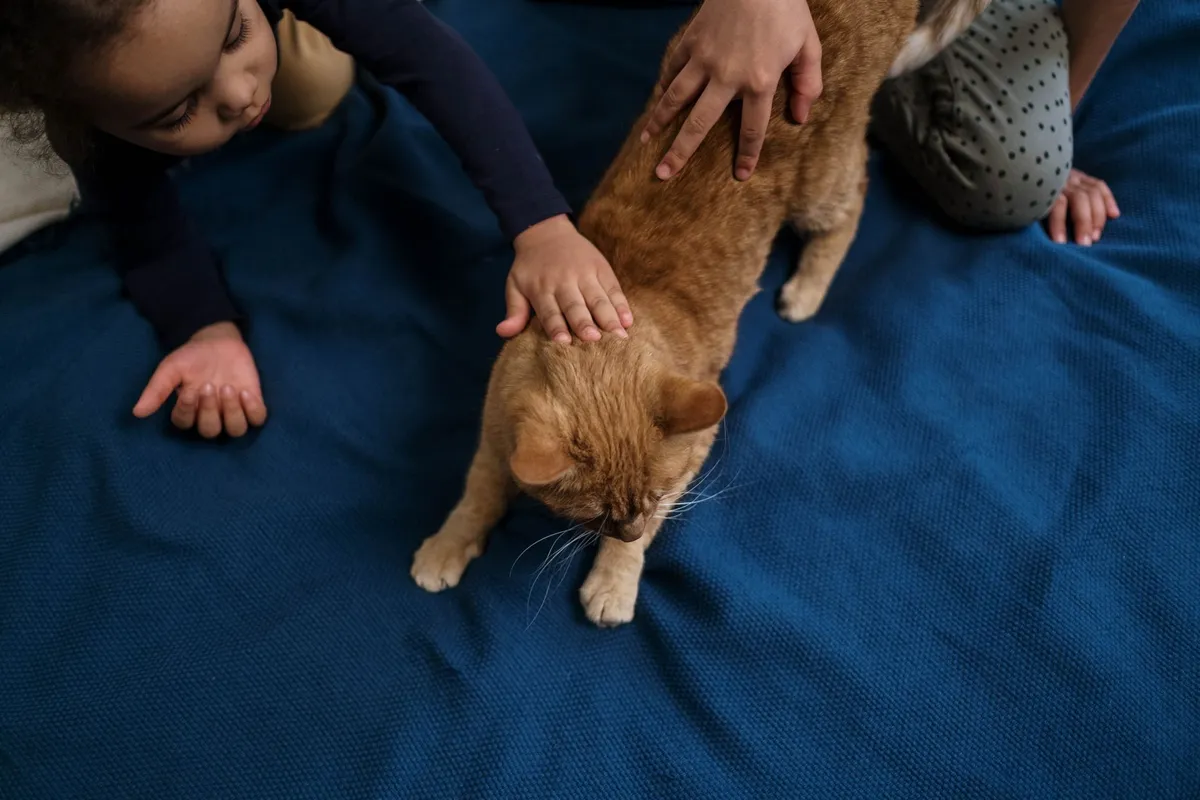
Cat-scratch disease (CSD) is a bacterial infection caused by a germ called Bartonella henselae. People most often get it after being scratched or bitten by a domestic or feral cat, especially a kitten.
Here is how the bacteria spread:
- A cat scratch becomes contaminated with infected flea feces (flea dirt).
- A cat bites a person.
- A cat licks a person’s open wound.
Cats carrying the bacteria usually look and act completely healthy, so you cannot tell which cats might pass it on.
Symptoms to Watch For
CSD symptoms often show up in stages. Common signs include:
- A mild bump, blister, or pustule right at the scratch or bite site.
- Fever.
- Swollen, tender lymph nodes, often near the affected area.
The swollen lymph nodes and fever typically appear 1 to 3 weeks after the scratch or bite, so it is easy to forget the original injury. If you notice these symptoms after contact with a cat, mention the scratch or bite to your provider.
Who Is Most at Risk
Anyone can get cat-scratch disease, but some groups are affected more often or more seriously:
- Children younger than 15 are infected more often than other age groups.
- People with weakened immune systems are at higher risk for serious complications.
In rare cases, CSD can affect the eyes, brain, liver, spleen, bones, or heart valves. These complications are uncommon but are more likely in people who are immunocompromised.
Treatment for Cat-Scratch Disease
The good news is that most cases of CSD are mild and clear up on their own without any treatment.
- Antibiotics may be used to speed up recovery.
- Antibiotics are specifically recommended for people who are immunocompromised or who have severe disease.
If your symptoms are mild, your Grand Rapids primary care provider can help you decide whether watchful waiting or treatment makes the most sense for you.

How to Prevent Cat-Scratch Disease
A few simple habits lower your risk, especially if you have kittens or spend time around strays:
- Avoid rough play with cats, particularly kittens and strays.
- Wash any cat scratches or bites promptly with soap and water.
- Wash your hands after handling cats.
- Use veterinary-recommended flea control on your pets.
Declawing is not recommended as a way to prevent CSD. Good flea control and gentle handling do far more to keep you safe.
Any Animal Bite: First Steps
Bites from any animal, not just cats, can introduce bacteria and other risks. For any animal bite:
- Immediately wash the wound thoroughly with soap and water. This lowers both infection and rabies risk.
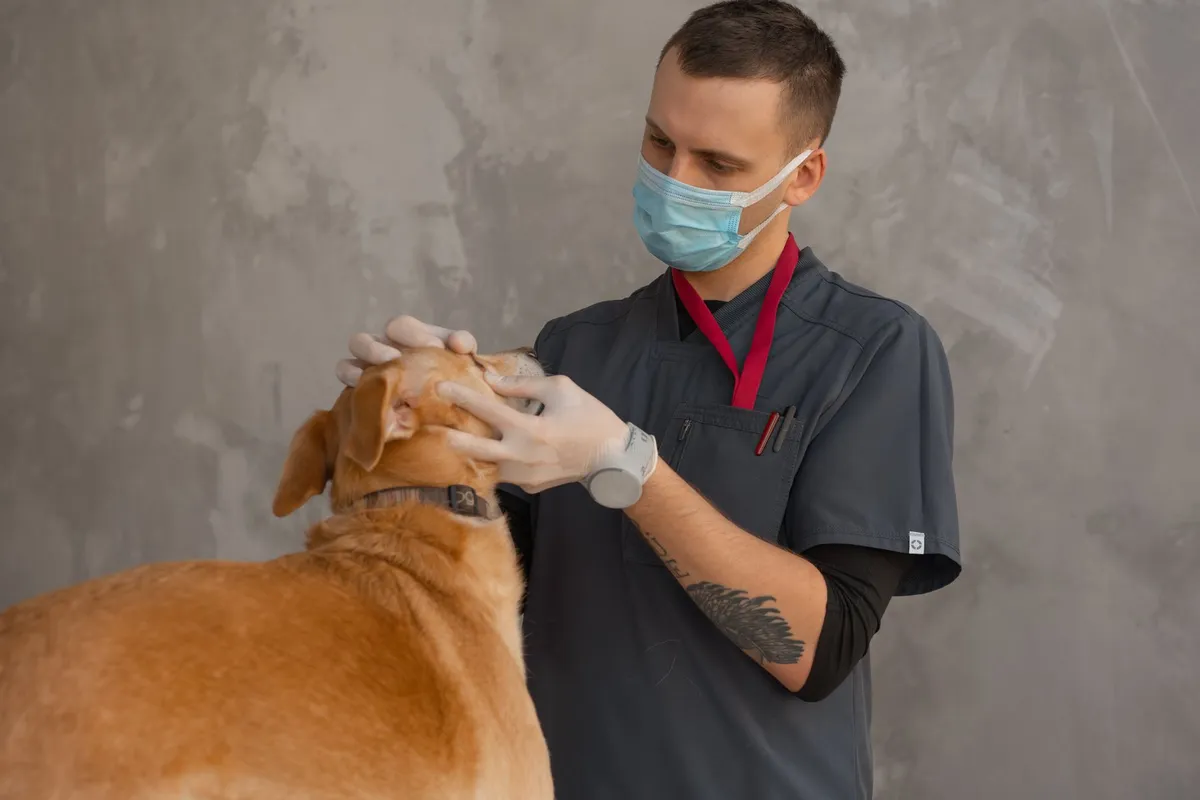
- Seek medical care so a provider can assess whether you need a tetanus booster and antibiotics.
Local urgent care clinics, Cherry Health, and emergency departments across Kent County can evaluate animal bites. For a severe bite with heavy bleeding, call 911.
Rabies: When to Be Especially Careful
Rabies is a serious concern with bites or scratches from wild animals such as bats, raccoons, skunks, and foxes, or from any unfamiliar animal. Once rabies symptoms begin it is nearly always fatal, but it is almost completely preventable with prompt care.
Seek medical help right away after a possible rabies exposure. When you do, be ready to report:
- The species of animal involved.
- Whether the animal acted abnormally.
- For a pet, its vaccination status.
This information helps providers decide on next steps quickly, and treatment is highly effective when started as soon as possible after exposure.
Rabies Post-Exposure Prophylaxis (PEP)
If you have never been vaccinated against rabies, post-exposure prophylaxis (PEP) includes several parts:
- Thorough wound care.
- Human rabies immune globulin.
- A rabies vaccine series given on day 0 and again on days 3, 7, and 14.
Starting PEP promptly is what makes it so effective. The Kent County Health Department can be a helpful resource for questions about animal exposures and reporting in our community.
When in doubt about a scratch or bite, reach out to a local provider. Quick, simple steps protect your health.
You might also like
Rabies, Bats, and Animal Bites: What to Do
Rabies is almost always fatal once symptoms start — but it's nearly 100% preventable with prompt care after an exposure. …
C. diff Infection: Symptoms, Prevention, and Care in Grand Rapids, Michigan
C. diff (Clostridioides difficile) is a germ that causes diarrhea and colon inflammation, and it most often strikes …
MRSA Staph Infection: Symptoms, Prevention, and Treatment in Grand Rapids
MRSA is a type of staph bacteria resistant to several common antibiotics that most often causes skin infections, but it …