
Brain tumors
Brain tumors can affect adults and children of all ages. Brain tumors can be malignant or benign. Find comprehensive healthcare information and local resources in Grand Rapids, Michigan.
Brain Tumors Care in Grand Rapids, Michigan
Brain tumors are abnormal growths of cells in or around the brain. They can be non-cancerous (benign) or cancerous (malignant), and both types can be serious because they affect how the brain works.
In Grand Rapids, MI, patients have access to advanced brain tumor diagnosis and treatment through major health systems such as Corewell Health (formerly Spectrum Health), Trinity Health Grand Rapids, University of Michigan Health-West (formerly Metro Health), and Trinity Health Grand Rapids. Local specialists work closely with neurosurgeons, oncologists, and rehabilitation teams to provide comprehensive care.
What Is a Brain Tumor?
A brain tumor is a mass or growth of abnormal cells in the brain or nearby structures, such as:
- Brain tissue
- Cranial nerves
- Meninges (the membranes covering the brain)
- Pituitary gland or pineal gland
Tumors can:
- Start in the brain (primary brain tumors)
- Spread to the brain from cancers in other parts of the body (secondary or metastatic brain tumors)
Because the skull is a closed space, even a small tumor can increase pressure in the head and cause symptoms.
Types of Brain Tumors
There are many different types of brain tumors. Your treatment team in Grand Rapids will tailor care based on the specific type, size, and location of the tumor.
Benign (Non-Cancerous) Brain Tumors
Benign tumors grow more slowly and are less likely to spread, but they can still be dangerous if they press on important brain structures. Common benign brain tumors include:
- Meningiomas – arise from the membranes around the brain
- Pituitary adenomas – start in the pituitary gland
- Acoustic neuromas (vestibular schwannomas) – affect the nerve responsible for hearing and balance
- Low-grade gliomas – slow-growing tumors that start in brain cells (glial cells)
Malignant (Cancerous) Brain Tumors
Malignant tumors tend to grow faster and may invade nearby brain tissue. Types include:
- Glioblastoma (GBM) – an aggressive form of brain cancer
- Anaplastic astrocytoma
- High-grade gliomas
- Metastatic brain tumors – cancers that have spread to the brain from the lung, breast, skin (melanoma), kidney, or other organs
Brain Tumor Symptoms
Brain tumor symptoms can vary depending on the tumor’s size, type, and location. In Grand Rapids and throughout Michigan, people should pay attention to new or worsening neurologic symptoms, especially if they develop over days to weeks.
Common symptoms include:
- Persistent or worsening headaches, often worse in the morning or when lying down
- Seizures (convulsions or episodes of staring, confusion, or jerking movements)
- Nausea and vomiting, especially in the morning
- Vision changes (blurred or double vision, loss of side vision)
- Weakness or numbness in the face, arm, or leg, often on one side of the body
- Balance problems or difficulty walking
- Speech problems (slurred speech or difficulty finding words)
- Personality or behavior changes
- Memory problems or confusion
- Hearing changes or ringing in the ears
When to Seek Emergency Care in Grand Rapids
Call 911 or go to the nearest emergency department (such as at Corewell Health Butterworth Hospital or Trinity Health Grand Rapids Hospital) if you experience:
- A first-time seizure
- Sudden weakness or numbness on one side of the body
- Sudden severe headache with confusion, stiff neck, or vision loss
- Sudden difficulty speaking, walking, or seeing
Prompt evaluation can be lifesaving and may lead to earlier diagnosis of a brain tumor or other serious condition.
Causes and Risk Factors
For most people in Grand Rapids and across Michigan, the exact cause of a brain tumor is unknown. However, several factors may increase risk:
- Previous radiation to the head (for example, for another cancer)
- Certain inherited genetic conditions, such as:
- Neurofibromatosis
- Li-Fraumeni syndrome
- Von Hippel–Lindau disease
- Family history of certain brain tumors
- Weakened immune system, including HIV/AIDS or medications that suppress immunity
There is currently no clear evidence that everyday exposure to cell phones, Wi‑Fi, or living near power lines causes brain tumors.
Brain Tumors and Michigan’s Climate
Michigan’s long, cold winters and shorter daylight hours can sometimes make it harder for people to notice gradual neurologic changes, especially if they are spending more time indoors and less active. In Grand Rapids, it’s important to:
- Pay attention to new headaches or balance problems that you might dismiss as “winter blues” or ice-related slips
- Seek care for falls or head injuries, especially in icy conditions, which can reveal underlying issues
- Keep regular follow-up visits even during winter storms—ask your Grand Rapids neurology or oncology clinic about telehealth options if travel is difficult
How Brain Tumors Are Diagnosed in Grand Rapids
If your primary care provider or neurologist in Grand Rapids suspects a brain tumor, you may be referred to a local hospital or cancer center for testing. Diagnostic steps can include:
Medical History and Neurologic Exam
A provider will:
- Review your symptoms and medical history
- Check strength, reflexes, vision, coordination, and memory
- Look for signs of increased pressure in the brain
Imaging Tests
Common imaging tests available at Grand Rapids hospitals and imaging centers:
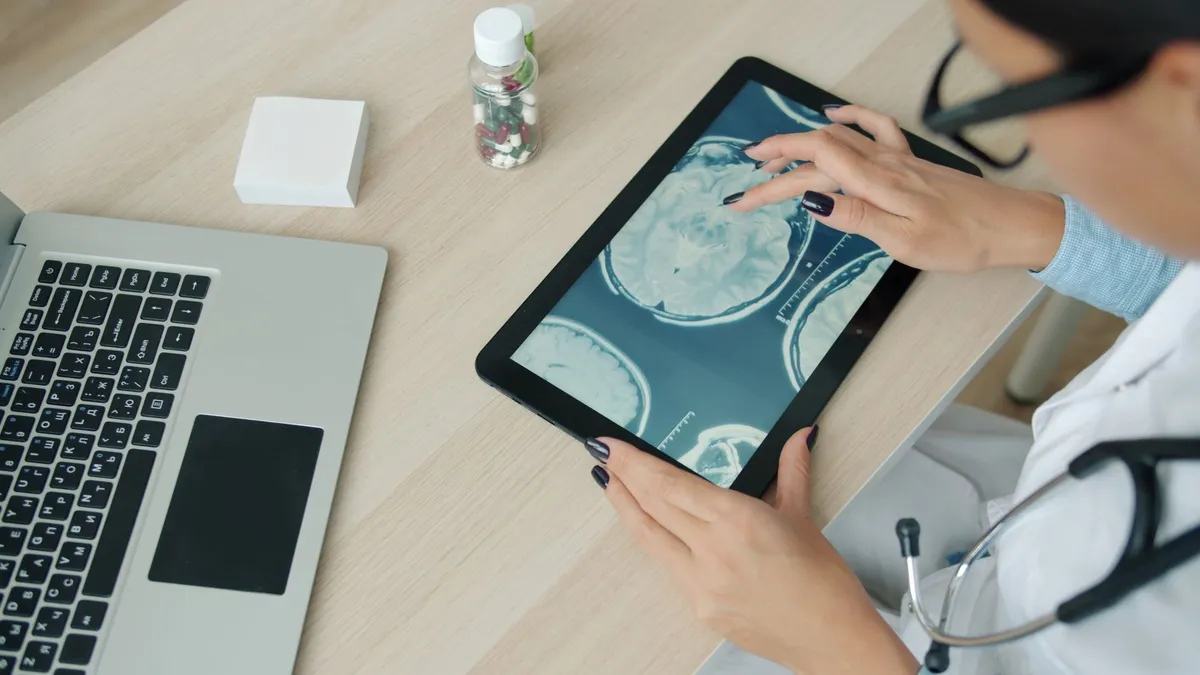
- MRI (Magnetic Resonance Imaging)
The most detailed test for brain tumors. May be done with contrast dye to highlight abnormal areas. - CT (Computed Tomography) scan
Often used in emergency settings; can quickly identify bleeding, swelling, or large masses. - Functional MRI or advanced MRI techniques (available at major centers like Corewell Health and University of Michigan Health-West)
Help map important brain areas related to speech and movement before surgery.
Additional Tests
- Biopsy – A neurosurgeon removes a small sample of tumor tissue for examination under a microscope to determine the exact type and grade.
- Lumbar puncture (spinal tap) – Sometimes used to look for cancer cells or markers in the fluid around the brain and spinal cord.
- Blood tests – To assess overall health and readiness for treatment.
Brain Tumor Treatment Options in Grand Rapids, MI
Treatment for brain tumors in Grand Rapids is typically provided by a multidisciplinary team that may include:
- Neurosurgeons
- Medical oncologists
- Radiation oncologists
- Neurologists
- Rehabilitation specialists
- Oncology nurses and social workers
Your care team will design a plan based on the tumor’s type, size, location, and your overall health.
Surgery
Surgery is often the first step, when safe and possible. Goals include:
- Removing as much of the tumor as possible
- Reducing pressure on the brain
- Obtaining tissue for diagnosis
Neurosurgical teams at Corewell Health, Trinity Health Grand Rapids, and University of Michigan Health-West – U of M Health use advanced imaging and navigation techniques to improve safety and precision.
Radiation Therapy
Radiation uses high-energy beams to target and destroy tumor cells. In Grand Rapids, options may include:
- External beam radiation therapy
- Stereotactic radiosurgery (a highly focused form of radiation, often done in one or a few sessions)
- Fractionated radiation (given in smaller doses over several weeks)
Radiation is commonly used:
- After surgery to reduce the risk of tumor regrowth
- As a main treatment if surgery is not possible
- For metastatic brain tumors
Chemotherapy and Targeted Therapy
Medications may be used to kill cancer cells or slow their growth:
- Chemotherapy pills or IV medications (such as temozolomide for certain gliomas)
- Targeted therapies that focus on specific changes in tumor cells
- Immunotherapy for selected tumor types or clinical trial participants
Local cancer centers in Grand Rapids often participate in clinical trials, giving patients access to newer treatments. Ask your oncologist about trials available through Corewell Health Cancer Center or Trinity Health Grand Rapids.
Supportive Medications
To manage symptoms, your provider may prescribe:
- Steroids to reduce brain swelling
- Anti-seizure medications if you have seizures
- Pain relievers for headaches
- Anti-nausea medications
Rehabilitation and Supportive Care
After treatment, some patients benefit from:
- Physical therapy – to improve strength and balance
- Occupational therapy – to help with daily activities
- Speech and language therapy – for communication or swallowing problems
- Neuropsychological support – for memory, concentration, and emotional changes
Grand Rapids rehabilitation services are available through local hospitals, outpatient therapy centers, and community programs.
Living With a Brain Tumor in Grand Rapids
A brain tumor diagnosis affects more than just physical health. It can impact your work, family life, and emotional well-being.
Local Support and Resources
Residents of Grand Rapids and Kent County can access:
- Hospital-based support groups for brain tumor and cancer patients (check with Corewell Health, Trinity Health Grand Rapids, and University of Michigan Health-West)
- Kent County Health Department – information on public health resources, vaccination, and supportive services
- Grand Rapids Public Health programs – community health education and referrals
- Counseling and mental health services – available through local clinics and private practices
Ask your oncology social worker or nurse navigator for a list of local and online support groups specific to brain tumors.
Managing Daily Life
To live as well as possible with a brain tumor:
- Keep a symptom diary (headaches, seizures, mood changes) to share with your care team
- Follow your medication schedule carefully, especially anti-seizure drugs
- Avoid driving until your neurologist or neurosurgeon clears you, especially if you have had seizures
- Plan extra time for tasks if you feel tired or have difficulty concentrating
- Ask family or friends for help with appointments and household tasks
Brain Tumors in the Grand Rapids Community
As part of a large metropolitan area in West Michigan, Grand Rapids residents benefit from:
- Multiple comprehensive cancer centers
- Access to neurosurgical expertise and advanced imaging
- Participation in regional and national clinical trials
- Coordinated care between primary care providers, neurologists, and oncology specialists
Because some brain tumors can grow silently for months, regular checkups with your Grand Rapids primary care provider are important, especially if you have risk factors or ongoing neurologic symptoms.
When to Talk to a Grand Rapids Healthcare Provider
Schedule an appointment with your doctor or a local neurology clinic if you notice:
- New or worsening headaches over several weeks
- Unexplained balance problems or falls
- Changes in vision, speech, or hearing
- Personality changes, confusion, or memory problems
- Seizures or unusual episodes of staring or confusion
If needed, your provider can refer you to a neurologist, neurosurgeon, or oncologist at a Grand Rapids hospital for further evaluation.
Getting Help for Brain Tumors in Grand Rapids, MI
If you or a loved one has been diagnosed with a brain tumor in Grand Rapids:
Connect with a specialist team
Ask for referral to a brain tumor or neuro-oncology program at:- Corewell Health (Corewell Health) in Grand Rapids
- Trinity Health Grand Rapids
- University of Michigan Health-West
- Trinity Health Grand Rapids
Learn about your diagnosis
Ask your care team to explain:- The type and grade of your tumor
- Treatment options and goals
- Possible side effects and recovery expectations
Use local resources
- Contact the Kent County Health Department or Grand Rapids Public Health for community resources
- Explore transportation, home care, and financial counseling support offered through local hospitals
Early diagnosis and coordinated care can improve outcomes and quality of life. If you are concerned about symptoms that could be related to a brain tumor, seek medical evaluation from a Grand Rapids healthcare provider as soon as possible.
You might also like
Sciatica
Sciatica is pain in the buttock and leg, caused by pressure on nerves in the lower back. Sciatica can be caused by …
Growing pains
Many children have pains in their legs without any obvious cause and these are often called growing pains. Even though …
Wounds - how to care for them
A skin wound that fails to heal, heals slowly or heals but tends to recur is known as a chronic wound. The treatment …