
Blastomycosis: Symptoms, Risks, and Care in Grand Rapids, Michigan
Blastomycosis is a lung infection caused by breathing in spores from the Blastomyces fungus, which lives in moist soil and decaying wood and leaves. Find comprehensive healthcare information and local resources in Grand Rapids, Michigan.
Blastomycosis in Grand Rapids, Michigan
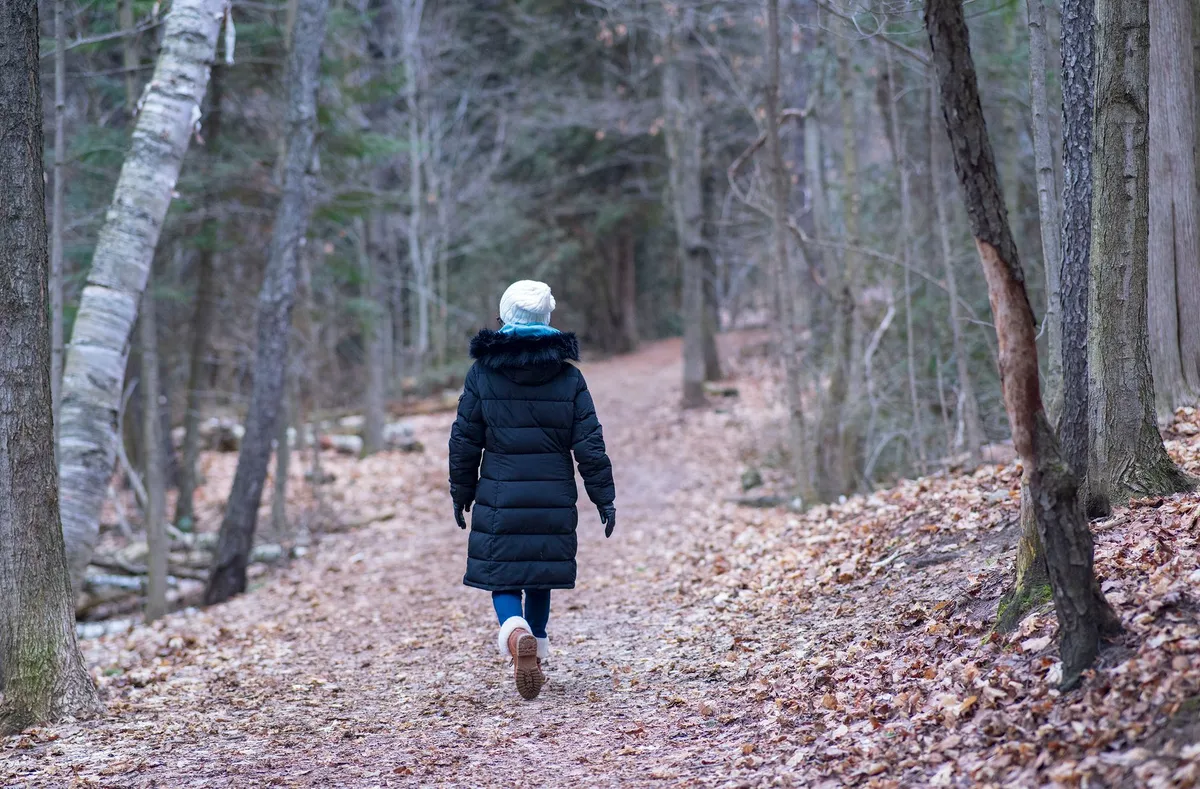
Blastomycosis is an infection caused by a fungus called Blastomyces, which lives in the environment. This matters for West Michigan because the fungus is found mainly around the Great Lakes, as well as the Ohio and Mississippi River valleys and the Saint Lawrence River. If you spend time near the Grand River, wooded trails, or shorelines, or you work with soil and plant matter, it helps to understand how this infection happens and when to seek care.
What Blastomycosis Is
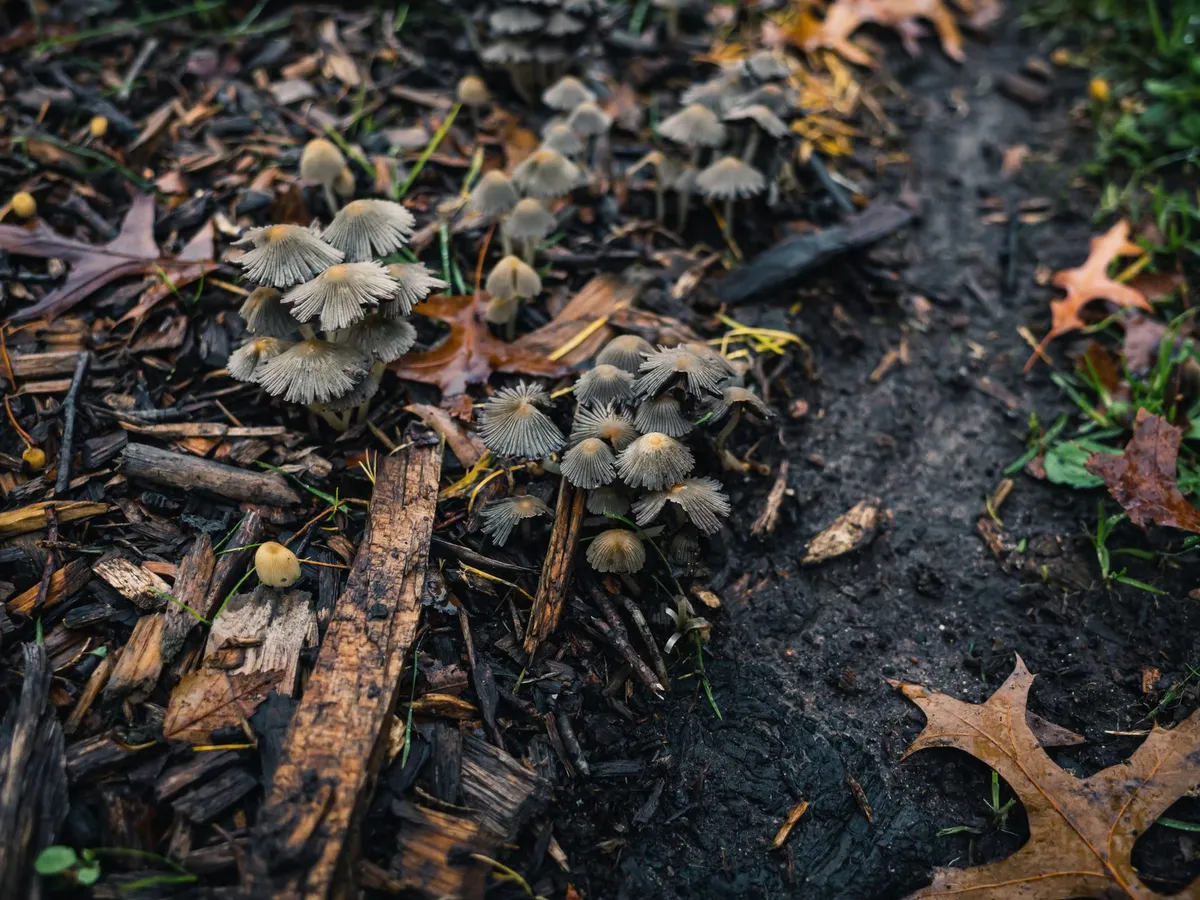
Blastomycosis is caused by breathing in tiny, microscopic spores from the Blastomyces fungus. The fungus naturally lives in:
- Moist soil
- Decomposing organic matter such as wood and leaves
People usually get blastomycosis by breathing in spores from the air after soil or decaying wood and leaves have been disturbed. Importantly, the infection does not spread from person to person. You cannot catch it from a friend, family member, or coworker.
Where the Fungus Lives
In the United States, Blastomyces is found mainly in the midwestern, south-central, and southeastern states. It is especially common:
- Around the Ohio and Mississippi River valleys
- Around the Great Lakes
- Along the Saint Lawrence River
Because Grand Rapids and Kent County sit in the Great Lakes region, this is an area where the fungus can be present in the environment.
Symptoms to Watch For
About half of the people who breathe in Blastomyces spores develop symptoms. When the infection causes illness, it usually affects the lungs and produces a pneumonia-like illness.
Symptoms can include:
- Fever
- Cough
- Shortness of breath
- Night sweats
- Muscle aches
- Joint pain
- Chest or back pain
- Weight loss
- Fatigue
These symptoms typically begin 3 weeks to 3 months after exposure, so it can be easy to miss the connection to time spent outdoors or working in soil.
Some people also develop skin lesions, such as raised bumps, blisters, or ulcers. In severe cases, the infection can spread beyond the lungs to the skin, bones, joints, and central nervous system.
Who Is at Higher Risk
People with weakened immune systems are at greater risk for severe blastomycosis.
Certain activities and jobs can also increase the chance of breathing in spores because they disturb soil and plant matter, including:
- Construction
- Excavation
If you do this kind of work around Grand Rapids, wearing an N-95 respirator at these sites can help reduce your risk.
Preventing Blastomycosis
There is currently no vaccine for blastomycosis. There is also no evidence that taking antifungal medication after exposure (called prophylaxis) prevents people from getting sick.
The most practical steps you can take are:
- Be aware that disturbing soil, wood, and leaves can release spores into the air
- Consider wearing an N-95 respirator during construction, excavation, or other work that stirs up soil and plant matter
Michigan’s seasons mean a lot of outdoor activity in spring, summer, and fall, and plenty of yard and trail debris to clear. Keeping these prevention basics in mind is the best approach available.
How Blastomycosis Is Treated
Most people who develop symptoms need treatment with prescription antifungal medication. The specific medicine depends on how serious the infection is:
- Itraconazole is usually used for mild to moderate disease.
- Amphotericin B is usually recommended for severe disease.
These are prescription medications, so you will need to see a healthcare provider to be diagnosed and treated. In the Grand Rapids area, you can start with your primary care provider or a clinic such as Cherry Health, or with hospital systems including Corewell Health, Trinity Health Grand Rapids, and University of Michigan Health-West.
When to See a Healthcare Provider
Because blastomycosis can look like other lung infections, the timing and your recent activities matter. See a healthcare provider if you:
- Have been in an area where Blastomyces lives and develop pneumonia symptoms that do not improve with antibiotics
- Develop new skin lesions
Antibiotics treat bacterial infections, not fungal ones, so a pneumonia that does not get better with antibiotics is an important clue. Sharing your recent history, such as outdoor work, time near the Grand River or Lake Michigan, or clearing wood and leaves, can help your provider consider blastomycosis.
For a medical emergency, such as severe trouble breathing, call 911. If you are facing a mental-health crisis while coping with a serious or prolonged illness, you can call or text 988.
Key Points to Remember
- Blastomycosis is a fungal infection you get by breathing in spores, not from other people.
- The fungus lives in moist soil and decaying wood and leaves, and is found in the Great Lakes region.
- Symptoms often look like pneumonia and can begin 3 weeks to 3 months after exposure.
- People with weakened immune systems can develop more severe illness.
- Most people with symptoms need prescription antifungal treatment.
- See a provider if pneumonia symptoms do not improve with antibiotics or if you develop new skin lesions.
For local public health information, residents can also reach out to the Kent County Health Department.
You might also like
C. diff Infection: Symptoms, Prevention, and Care in Grand Rapids, Michigan
C. diff (Clostridioides difficile) is a germ that causes diarrhea and colon inflammation, and it most often strikes …
Chikungunya: Symptoms, Treatment, and Prevention for Grand Rapids Travelers
Chikungunya is a mosquito-borne virus that causes fever and joint pain, mostly affecting Grand Rapids residents who …
Histoplasmosis: A Plain-Language Guide for Grand Rapids, Michigan
Histoplasmosis is a lung infection caused by breathing in microscopic spores of the Histoplasma fungus from soil, …