
Babesiosis: A Tick-Borne Illness Guide for Grand Rapids, Michigan
Babesiosis is a parasite infection spread mainly by blacklegged (deer) tick bites that can cause flu-like illness and damage red blood cells. Find comprehensive healthcare information and local resources in Grand Rapids, Michigan.
Babesiosis in Grand Rapids, Michigan
If you spend time hiking, gardening, or walking the trails and parks around Grand Rapids and Kent County, it helps to know about tick-borne illnesses like babesiosis. Michigan sits in the upper Midwest, one of the parts of the country where most U.S. cases occur, so understanding how this disease spreads matters here in West Michigan. This guide explains babesiosis in plain language, including symptoms, who is most at risk, and simple steps to protect yourself and your family. If you have questions, your primary care provider at Corewell Health, Trinity Health Grand Rapids, or University of Michigan Health-West can help.
What Is Babesiosis?
Babesiosis is a disease caused by microscopic parasites that infect and destroy red blood cells. In the United States, the most common parasite responsible is called Babesia microti. Because these parasites attack your red blood cells, the illness can affect how well your blood carries oxygen through your body.
Many people who are infected feel completely fine and never have any symptoms at all. Others can become quite sick, especially if they have certain health conditions.
How Babesiosis Spreads
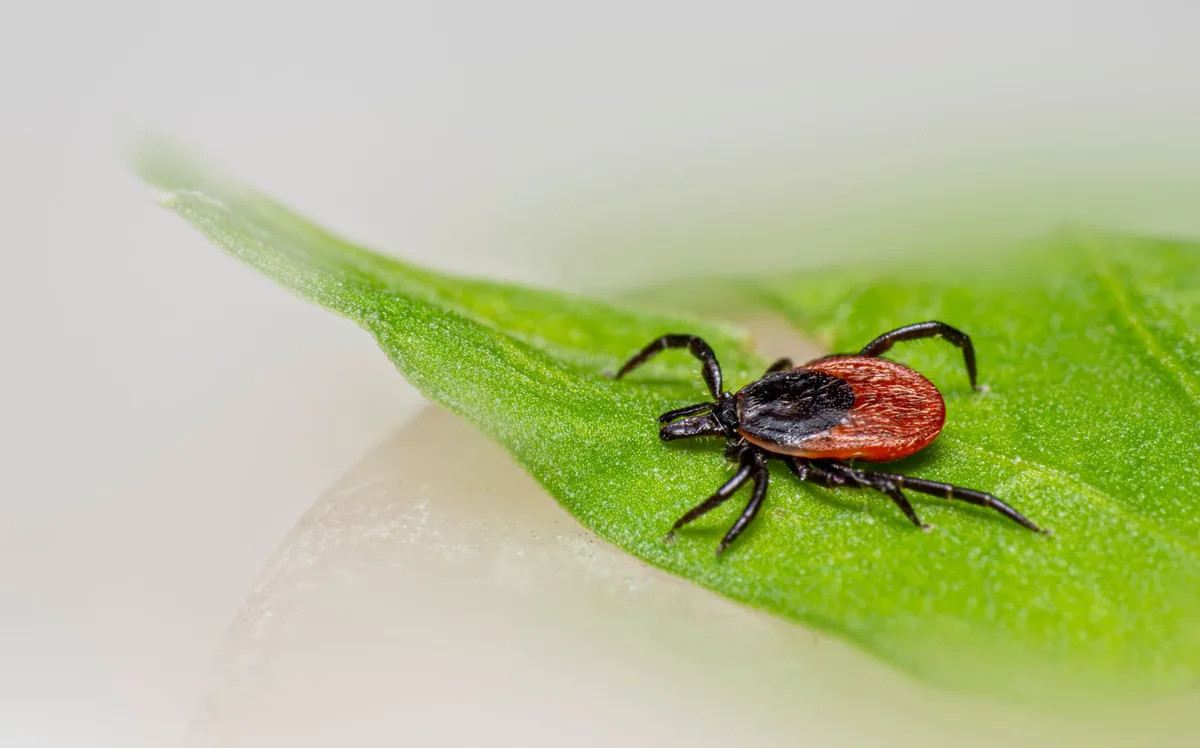
Babesiosis spreads mainly through the bite of an infected blacklegged tick, also known as a deer tick. These ticks live in wooded or grassy areas, the same kinds of places many people in West Michigan enjoy during warmer months.
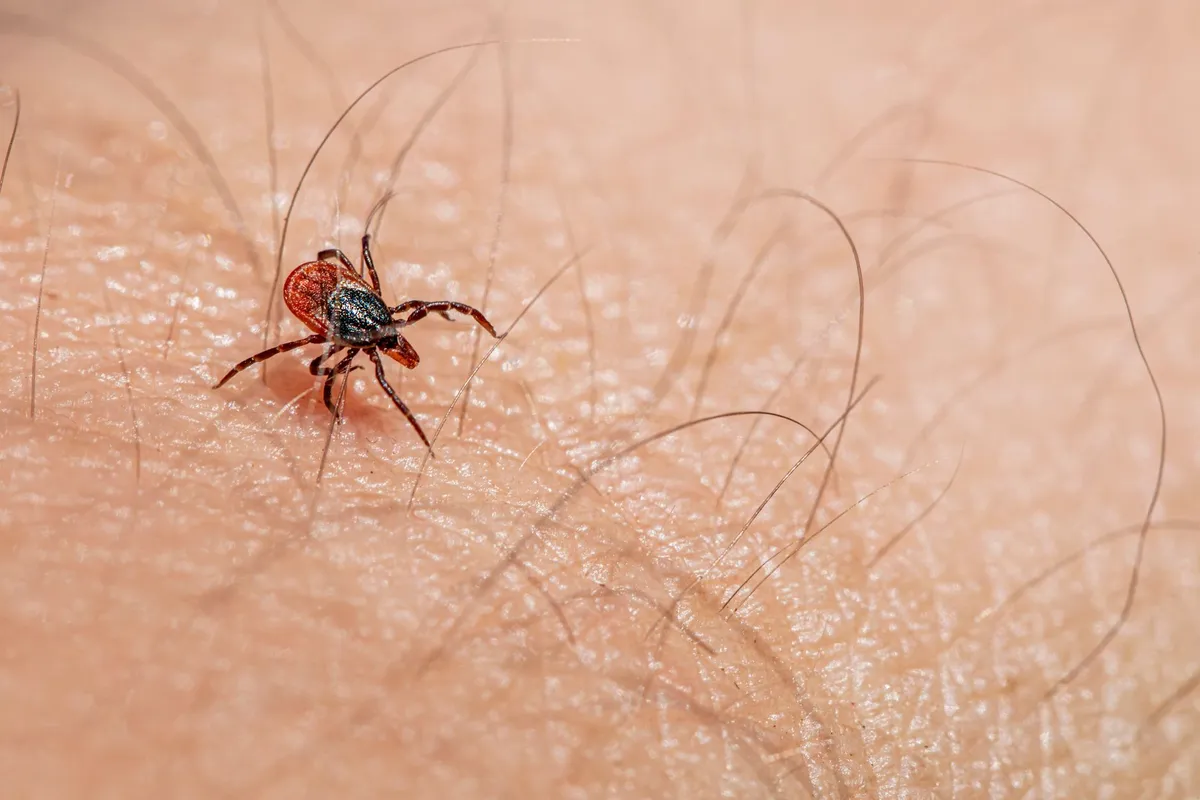
The tiny nymph-stage ticks are the most common source of human infection. Because they are so small, they can be very hard to spot on your skin or clothing.
Less common ways babesiosis can spread include:
- Contaminated blood transfusions
- Transmission from a pregnant person to their baby during pregnancy or delivery
Most U.S. cases occur in the Northeast and upper Midwest, which includes Michigan.
Symptoms to Watch For
Many infected people have no symptoms at all. When symptoms do appear, they are often flu-like and can show up anywhere from about a week up to several months after infection.
Common symptoms include:
- Fever, chills, and sweats
- Headache and body aches
- Loss of appetite and nausea
- Fatigue
Because the parasites destroy red blood cells, babesiosis can cause a condition called hemolytic anemia. This can lead to:
- Jaundice, a yellowing of the skin or eyes
- Dark urine
If you notice these signs, especially after spending time outdoors in tick-prone areas, it is worth contacting a healthcare provider.
Who Is at Higher Risk?
Most healthy people who get babesiosis recover well, and some never even know they were infected. However, certain groups have a higher risk of severe, potentially life-threatening illness.
You may be at higher risk if you:
- Do not have a spleen
- Have a weakened immune system, such as from cancer, lymphoma, or HIV/AIDS
- Have liver or kidney disease
- Are over age 50
In high-risk people, severe disease can lead to serious complications, including very low blood counts, organ failure, and serious clotting problems. In these cases, babesiosis can be fatal. If you fall into one of these groups and develop symptoms, do not wait to seek care.
Preventing Tick Bites in West Michigan
The best way to avoid babesiosis is to prevent tick bites in the first place. This is especially important during Michigan’s warmer seasons, when ticks are most active in wooded and grassy areas. Cold winters slow tick activity, but warm-weather outings near rivers, lakes, and trails are prime times to take precautions.
To protect yourself and your family:
- Avoid tick-infested areas when you can
- Use EPA-registered insect repellents, such as those containing DEET
- Wear long sleeves, long pants, and socks
- Check yourself, your children, and your pets for ticks after being outdoors
A careful tick check after a day near the Grand River, Lake Michigan beaches, or a local park or trail can make a real difference.
When to See a Healthcare Provider
Anyone who is in, or returning from, a tick-prone area and develops fever or flu-like symptoms should contact a healthcare provider. This is especially important for high-risk individuals.
The good news is that babesiosis can be diagnosed and treated. It can be treated with medication, though people who have no symptoms generally do not need treatment.
In Grand Rapids, you can reach out to:
- Your primary care provider at Corewell Health, Trinity Health Grand Rapids, or University of Michigan Health-West
- Cherry Health, a community health center option for many residents
- The Kent County Health Department for public health information
If you ever experience a medical emergency, such as trouble breathing or signs of organ failure, call 911 right away.
The Bottom Line
Babesiosis is a tick-borne illness that many people never notice, but it can be serious for those at higher risk. Knowing the symptoms, protecting yourself from tick bites, and reaching out to a provider when you feel sick are the most important steps you can take. With simple precautions, you can enjoy everything West Michigan’s outdoors has to offer while keeping yourself and your loved ones safe.
You might also like
PFAS and Your Health: What Grand Rapids Residents Should Know
PFAS are long-lasting "forever chemicals" found in everyday products and some drinking water, and reducing your exposure …
Private Well Water Safety in Grand Rapids: Testing, Inspection, and Protection
If your Grand Rapids home gets its drinking water from a private well, you are responsible for keeping it safe through …
Radon: Why Every Grand Rapids Home Should Be Tested
Radon is an invisible, odorless radioactive gas and the second-leading cause of lung cancer in the U.S. About 1 in 4 …