
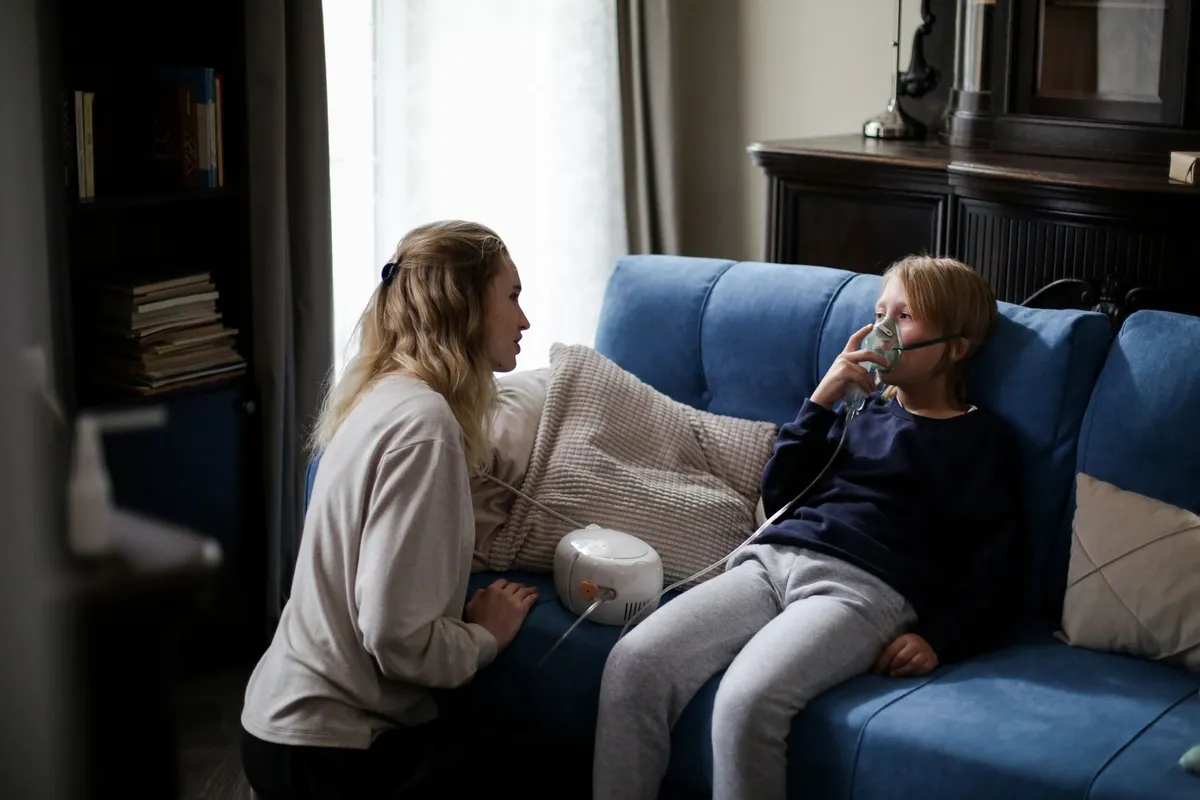
Your Asthma Action Plan: A Grand Rapids Guide to the Green, Yellow, and Red Zones
An Asthma Action Plan is a written, personalized plan you build with your provider to manage daily symptoms and know what to do during an attack. Find comprehensive healthcare information and local resources in Grand Rapids, Michigan.
Asthma Action Plan in Grand Rapids, Michigan
Living with asthma in West Michigan means dealing with changing conditions all year, from cold winter air rolling off Lake Michigan to summer days when wildfire smoke or pollen drifts across Kent County. An Asthma Action Plan gives you a clear, written guide so you always know what to do, whether your breathing is fine or you are in trouble. You can create one with your provider at Corewell Health, Trinity Health Grand Rapids, University of Michigan Health-West, or Cherry Health. This guide explains how the plan works and how to make it part of daily life in Grand Rapids.
What an Asthma Action Plan Is
An Asthma Action Plan is a personalized, written plan that you create together with your health care provider to manage your asthma. The CDC says everyone with asthma needs their own plan, because no two people have exactly the same symptoms or triggers.
A good plan helps you:
- Remember how to take your medicines exactly as prescribed
- Recognize when your asthma is getting worse
- Know what to do during an asthma attack
Bring your plan to every appointment so you and your provider can update it as your needs change.
The Three Zones: Green, Yellow, and Red
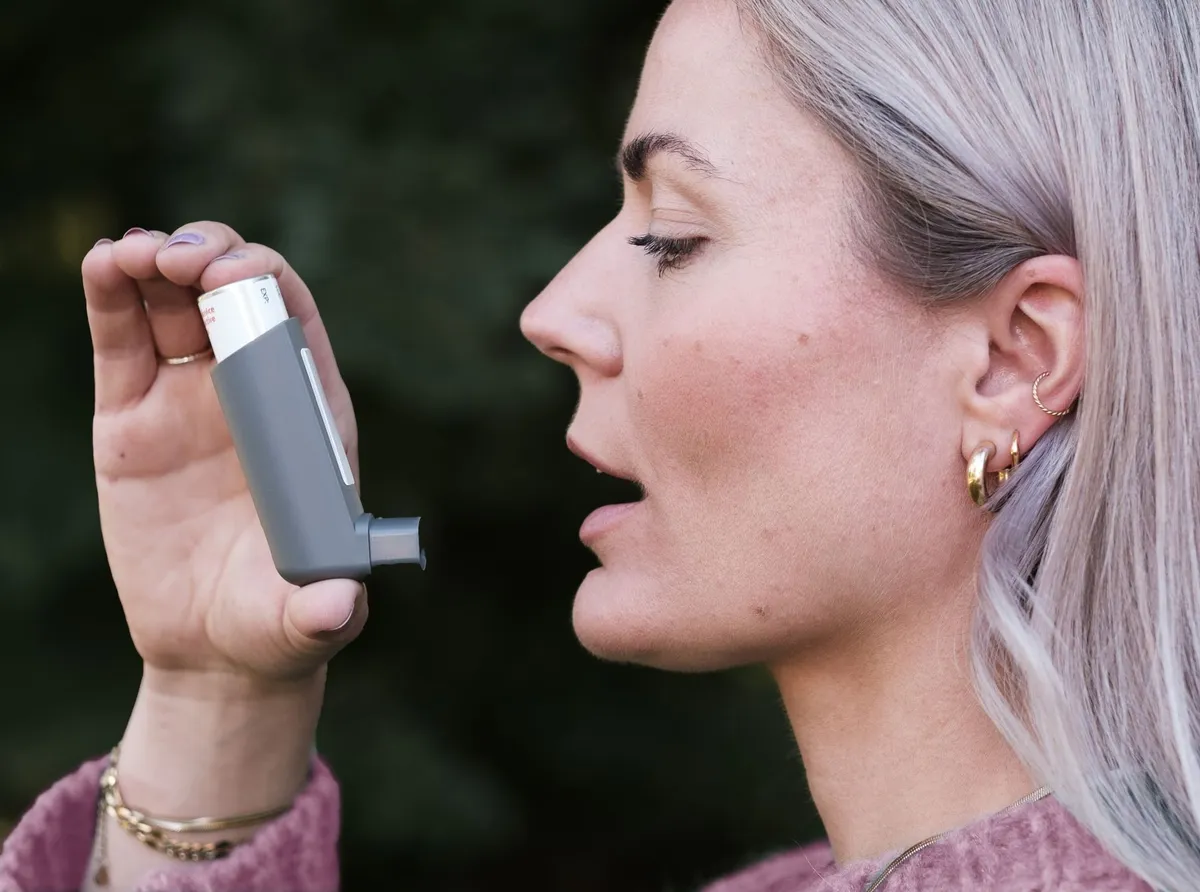
Most Asthma Action Plans are organized into three color-coded zones, like a traffic light. This makes it easy to tell at a glance how you are doing and what step to take next.
Green Zone (doing well): Your asthma is under control. You have no cough, wheezing, chest tightness, or trouble breathing, and you can do your usual activities. In this zone you keep taking your daily controller (long-term control) medicine.
Yellow Zone (asthma getting worse): This zone signals that your asthma is flaring. You may notice coughing, wheezing, chest tightness, waking up at night, or trouble doing your usual activities. Your plan typically directs you to add your quick-relief (reliever) medicine and keep monitoring how you feel.
Red Zone (medical alert): This is serious. You have severe trouble breathing, your quick-relief medicine is not helping, or you cannot do your usual activities. Follow your plan to get help right away, contact your doctor, or seek emergency care. If you have a life-threatening emergency, call 911.
Knowing Your Two Types of Medicine
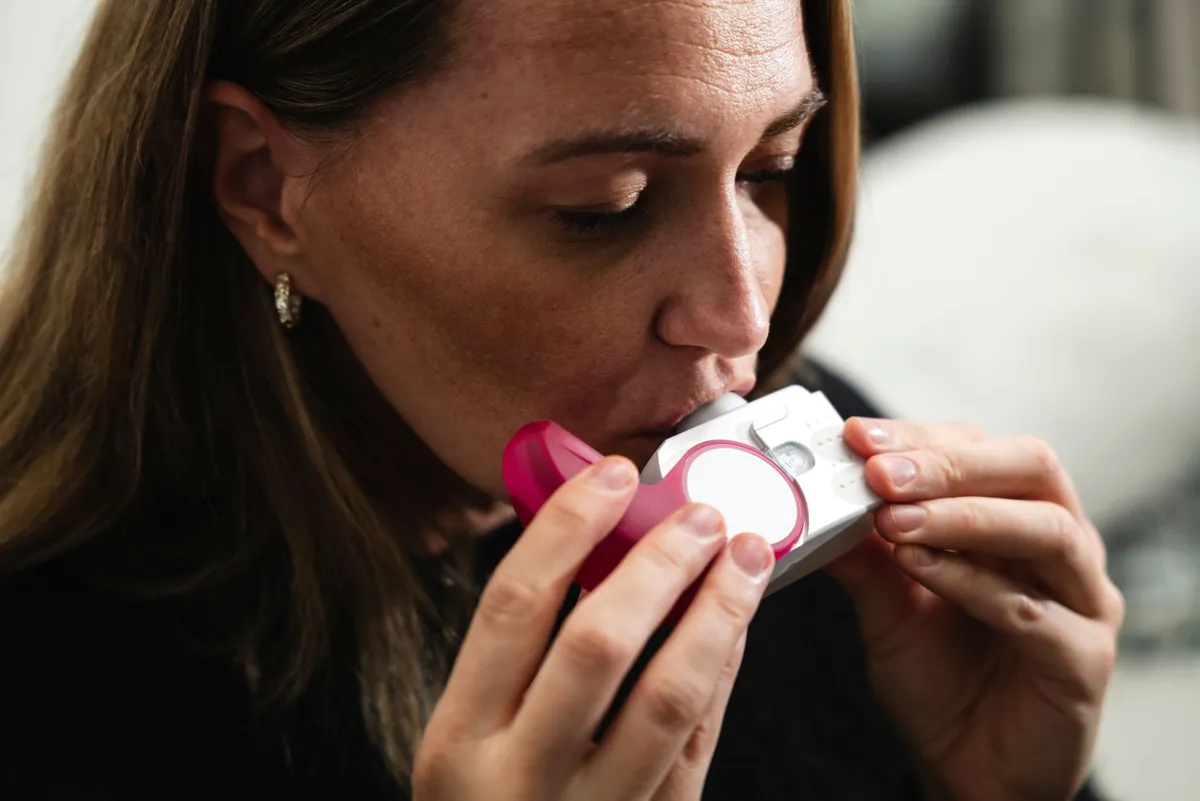
Asthma Action Plans separate two main kinds of medicine, and it is important to know which is which:
- Quick-relief (reliever) medicines ease symptoms during an attack. These are what you reach for in the Yellow or Red zones.
- Long-term control (controller) medicines are taken daily to prevent symptoms. These keep you in the Green Zone.
Ask your provider or pharmacist to watch you use your inhaler so you can confirm your technique is correct. Even the right medicine will not help much if it is not reaching your lungs.
The CDC also advises keeping at least a 30-day supply of your asthma medicines and supplies on hand. With Michigan winters that can bring snow and travel delays, a full supply means you are never caught without your medicine.
Knowing and Avoiding Your Triggers
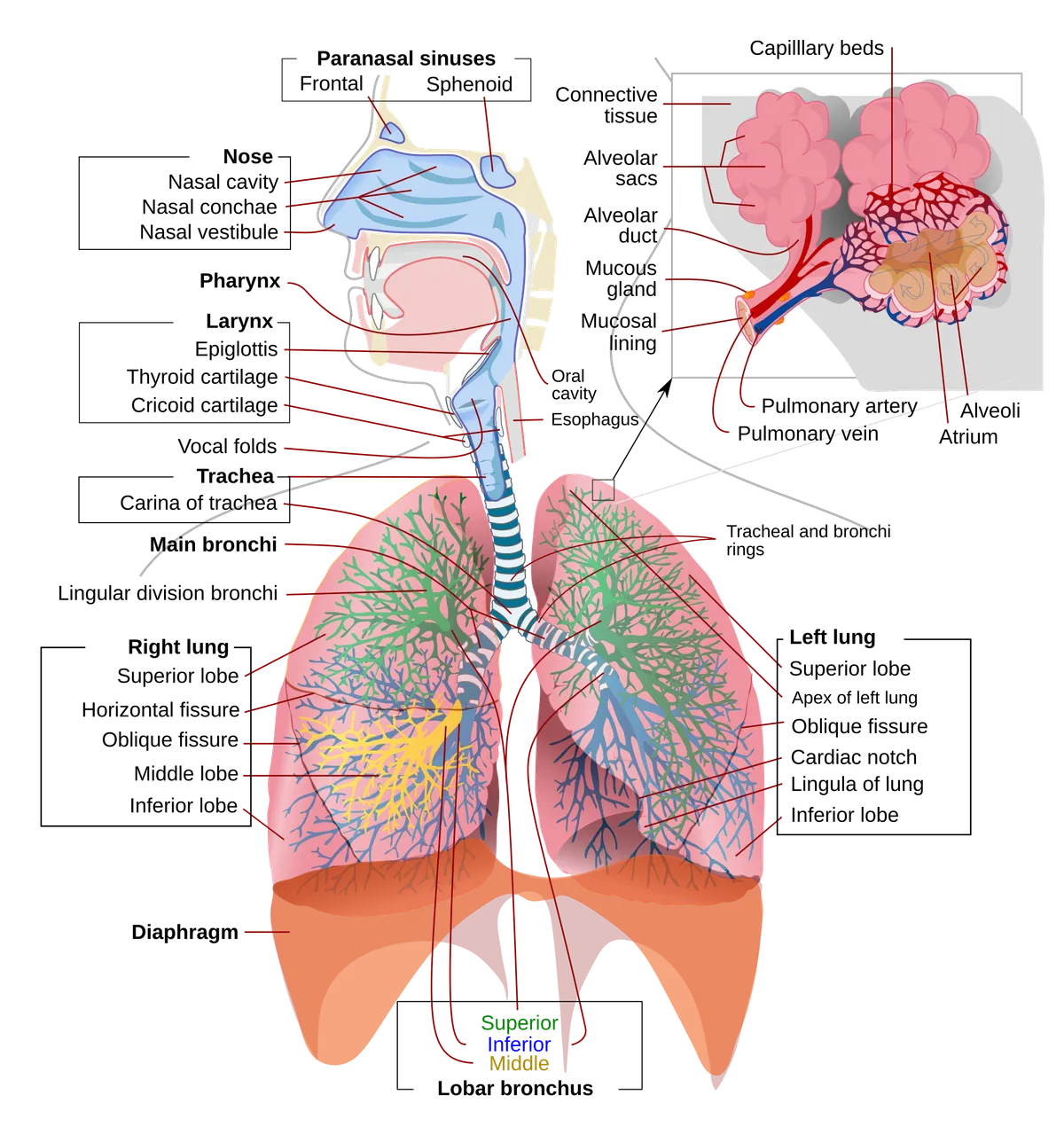
A key part of asthma control is avoiding or reducing exposure to your personal triggers, along with taking your medicines as prescribed. Common triggers identified by the CDC include:
- Tobacco and secondhand smoke
- Dust mites
- Outdoor air pollution, including wildfire smoke
- Cockroach and other pest allergens
- Furry pets
- Mold
- Respiratory infections such as colds and the flu
A few of these matter in particular here. On poor air quality days, when smoke or pollution settles over the Grand River valley, you may need to spend more time indoors. Damp basements common in older Grand Rapids homes can encourage mold, and cold-season colds and flu spread easily.
One important note about pets: people with pet allergies are reacting to dander, saliva, and urine, not the fur itself. That means trimming or shaving a pet’s fur does not reduce your asthma triggers.
Managing Stress as Part of Control
Strong emotions and stress can trigger an asthma attack, so managing stress is part of overall asthma control. Build small habits that help you stay calm, and lean on your support network. If you or someone you love is in a mental health crisis, you can call or text 988 to reach trained counselors. Network180 also serves Kent County residents who need behavioral health support.
Putting Your Plan to Work in Grand Rapids
Your Asthma Action Plan only helps if it is easy to find and easy to follow. Try these steps:
- Keep a copy at home, at work, and with your child’s school or daycare
- Make sure family members and caregivers know which zone is which
- Review the plan with your provider at each visit and after any flare-up
- Restock medicine before you drop below a 30-day supply
The Kent County Health Department, Cherry Health, and your primary care team can all help you build or update a plan. With a clear plan in hand, you can breathe easier through every Michigan season.
You might also like
Wildfire Smoke and Air Quality: A Grand Rapids Guide to Protecting Your Lungs
Wildfire smoke can drift into West Michigan and irritate your lungs, eyes, and heart, especially for sensitive groups. …
Secondhand Smoke: Protecting Your Family at Home
There is no safe level of exposure to secondhand smoke. It causes heart disease, lung cancer, and serious problems for …
Histoplasmosis: A Plain-Language Guide for Grand Rapids, Michigan
Histoplasmosis is a lung infection caused by breathing in microscopic spores of the Histoplasma fungus from soil, …