

Anemia
Anemia refers to a hemoglobin concentration or number of red blood cells below a specified cut-off point. This cut off point is influenced by factors such as age, gender or even geological locations. Find comprehensive healthcare information and local resources in Grand Rapids, Michigan.
Anemia Care in Grand Rapids, Michigan
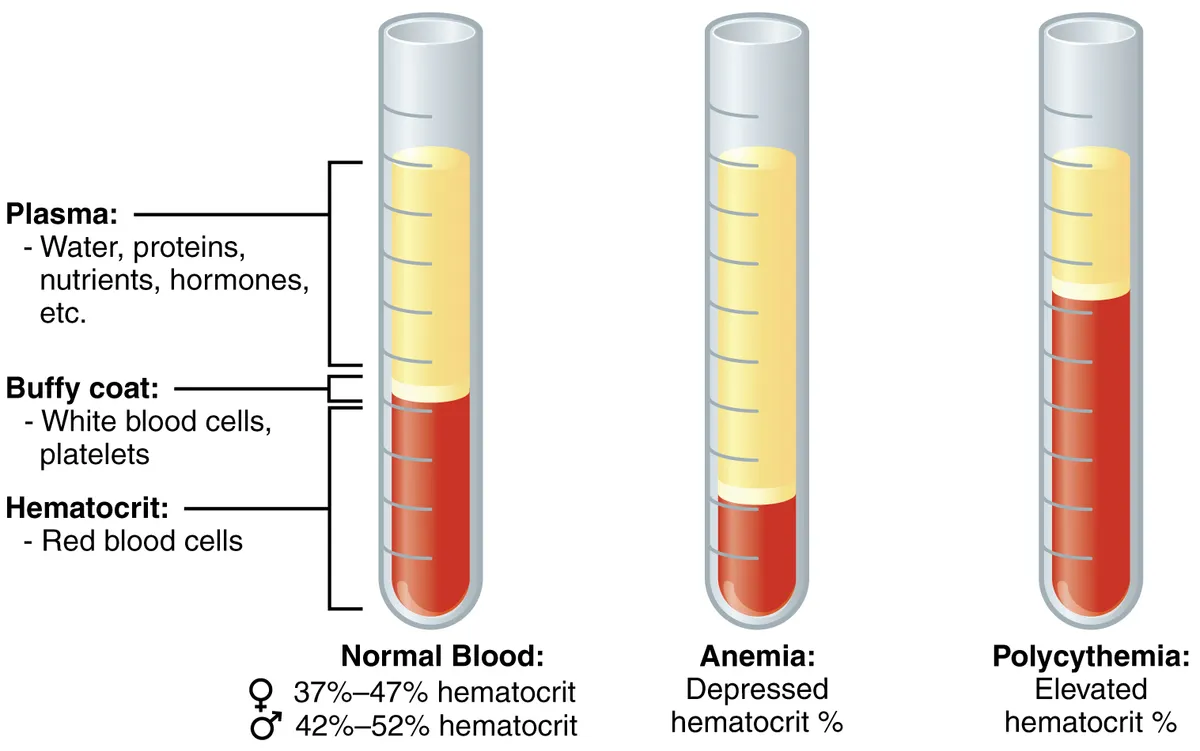
Anemia is a condition where your blood has a lower-than-normal level of hemoglobin (Hb), the protein in red blood cells that carries oxygen. When hemoglobin is low, your blood cannot deliver enough oxygen to your organs and tissues, which can lead to fatigue, shortness of breath, and other symptoms.
In Grand Rapids, anemia is a common issue seen in primary care clinics, urgent care centers, and hospital systems such as Corewell Health (formerly Spectrum Health), Trinity Health Grand Rapids, and University of Michigan Health-West (formerly Metro Health). Because Michigan’s long winters and limited sunlight can affect nutrition and overall health, it’s especially important for residents to understand the signs, causes, and treatment options for anemia.
How Anemia Affects Your Body
When you are anemic, your body tries to compensate for the reduced oxygen-carrying capacity of your blood. It may:
- Increase your heart rate
- Increase your breathing rate
- Redirect blood flow to vital organs
If anemia is severe or develops quickly, your organs may not get enough oxygen, which can lead to organ damage. The speed at which symptoms appear can vary based on:
- Age
- Overall fitness
- Presence of other health problems (such as heart disease, kidney disease, or cancer)
How Red Blood Cells and Hemoglobin Work
Red blood cells (RBCs) are produced in your bone marrow. In a healthy person:
- Red blood cells live about 120 days
- The bone marrow constantly makes new red blood cells
- Millions of new red blood cells enter the bloodstream each day
Hemoglobin and Oxygen Transport
Red blood cells contain a protein called hemoglobin. Hemoglobin:
- Contains iron, which binds to oxygen in your lungs
- Carries oxygen through your bloodstream
- Releases oxygen to your organs and tissues so they can function normally
Your body also recycles iron, vitamin B12, and other components when old red blood cells are broken down. However, you still need a regular supply of these nutrients from your diet to maintain healthy blood.
What Causes Anemia?
Anemia is not a disease by itself but a sign of an underlying problem. It can be caused by:
- Decreased production of red blood cells
- Loss of red blood cells (bleeding)
- Increased destruction of red blood cells
In Grand Rapids and across Michigan, common causes of anemia include nutritional deficiencies, chronic kidney disease, autoimmune conditions, and blood loss from heavy periods or gastrointestinal issues.
Major Categories and Causes of Anemia
1. Dietary Deficiency
Lack of essential nutrients in the diet can reduce red blood cell production.
- Iron deficiency (most common cause of anemia)
- Vitamin B12 deficiency
- Folic acid (folate) deficiency
These can occur in people who:
- Follow vegetarian or vegan diets without proper supplementation
- Have poor overall nutrition or follow fad diets
- Have increased needs, such as during pregnancy or growth spurts in children
In West Michigan, long winters and less access to fresh produce at certain times of year can contribute to nutritional gaps if diets are not well-planned.
2. Malabsorption
Conditions that reduce the body’s ability to absorb nutrients from food, such as:
- Celiac disease
- Inflammatory bowel disease (Crohn’s disease, ulcerative colitis)
- Certain stomach or intestinal surgeries
3. Inherited (Genetic) Disorders
These affect how hemoglobin or red blood cells are made, for example:
- Thalassemia
- Sickle cell disease
- Enzyme disorders like porphyria
Some of these conditions are more common in certain ethnic groups, which is important in a diverse city like Grand Rapids.
4. Autoimmune Disorders
The immune system mistakenly attacks red blood cells, shortening their lifespan. Examples include:
- Autoimmune hemolytic anemia
- Thyroid disease and other autoimmune conditions
5. Kidney Disease
The kidneys produce a hormone called erythropoietin, which tells the bone marrow to make red blood cells. In chronic kidney disease:
- Erythropoietin production decreases
- Red blood cell production drops
- Anemia is very common (about 1 in 2 people with kidney disease may develop anemia)
Kidney disease and anemia are managed frequently in nephrology clinics at Corewell Health and other Grand Rapids health systems.
6. Chronic Inflammatory Diseases
Long-term inflammation can interfere with how your body uses iron and produces red blood cells. Conditions include:
- Rheumatoid arthritis
- Chronic infections
- Other autoimmune diseases
7. Bone Marrow Disorders
Diseases that affect the bone marrow can reduce red blood cell production:
- Leukemia and other blood cancers
- Aplastic anemia
- Myelodysplastic syndromes
These conditions are usually managed by hematologists at major hospital centers in Grand Rapids.
8. Blood Loss
Any direct loss of blood can lead to anemia, such as:
- Trauma or accidents
- Surgery
- Heavy menstrual periods
- Stomach or intestinal bleeding (ulcers, polyps, cancers)
- Frequent blood donation
9. Toxins or Medications
Certain substances can damage the bone marrow or red blood cells:
- Excessive alcohol use
- Some chemotherapy drugs
- Certain antibiotics and other medications that suppress bone marrow
10. Periods of Increased Need
Your body may need more red blood cells at certain times, including:
- Pregnancy
- Rapid growth in children and teenagers
- Recovery from serious illness
11. Mechanical Destruction
Mechanical heart valves and some medical devices can physically damage red blood cells, shortening their lifespan.
12. Infections
Some infections can cause anemia through multiple mechanisms, such as:
- Malaria (more relevant for travelers)
- Severe or chronic infections of other types

Symptoms of Anemia
Symptoms can range from mild to severe and may develop slowly or suddenly. Common signs and symptoms include:
- Pale skin or inside of eyelids
- Fatigue and low energy
- Getting tired easily with normal activities
- Shortness of breath, especially with exertion
- Frequent headaches
- Racing heart or palpitations
- Dizziness or feeling faint, especially when standing up
- Drop in blood pressure when moving from sitting or lying to standing (orthostatic hypotension), especially after acute blood loss
- Irritability or mood changes
- Difficulty concentrating
- Cracked or reddened tongue
- Loss of appetite
- Strange food cravings (such as ice, dirt, or starch), often seen in iron deficiency
If you experience sudden severe shortness of breath, chest pain, confusion, or fainting, seek emergency care at a Grand Rapids hospital right away.
Who Is at Higher Risk of Anemia in Grand Rapids?
Certain groups are more likely to develop anemia:
- Menstruating women, especially with heavy periods
- Pregnant and breastfeeding women
- Babies, particularly if premature
- Children going through puberty
- Older adults, especially with chronic health conditions
- People following vegetarian or vegan diets without proper supplementation
- People with chronic kidney disease (including those on dialysis)
- People with cancer or chronic inflammatory diseases
- Individuals with stomach or intestinal disorders (ulcers, celiac disease, inflammatory bowel disease)
- People with a history of alcohol misuse
- Those on restrictive or fad diets
Local clinics and the Kent County Health Department often screen high-risk groups for anemia during routine visits and community health programs.
How Anemia Is Diagnosed in Grand Rapids
Anemia is usually first identified with a Full Blood Count (FBC), also known as a Complete Blood Count (CBC) in U.S. labs. This test measures:
- Hemoglobin level
- Red blood cell count
- Red cell size and indices (MCV, MCH, MCHC)
- White blood cells and platelets
Because anemia has many possible causes, your Grand Rapids healthcare provider will usually:
- Take a detailed medical history
- Perform a physical examination
- Ask about your diet, medications, menstrual history, and any bleeding
Additional Tests That May Be Ordered
Depending on your situation, further tests may include:
- Iron studies (ferritin, iron, transferrin, TIBC)
- Vitamin B12 and folate levels
- Kidney function tests (creatinine, eGFR)
- Liver function tests
- Thyroid function tests
- Inflammatory markers (CRP, ESR)
- Stool tests for hidden blood (if gastrointestinal bleeding is suspected)
- Hormone tests in certain cases
More specialized or invasive tests may be needed, such as:
- Endoscopy or colonoscopy to look for bleeding in the stomach or intestines
- Bone marrow biopsy if a bone marrow problem is suspected
- Genetic tests for inherited blood disorders
These evaluations are typically done through hospital-based services at Corewell Health, Trinity Health Grand Rapids, or University of Michigan Health-West, or by referral to local specialists in hematology or gastroenterology.
Treatment Options for Anemia
Treatment in Grand Rapids follows the same medical standards used nationwide and depends on:
- The underlying cause of anemia
- The severity of anemia
- How quickly it developed
- Your age, overall health, and other medical conditions
Common Treatments Include
1. Dietary Changes and Supplements
For anemia caused by nutritional deficiencies:
- Iron supplements (tablets, liquids, or sometimes IV iron)
- Vitamin B12 supplements (oral or injections)
- Folic acid supplements
Your doctor or a registered dietitian (available through local hospital systems and community clinics) may recommend:
- Lean red meat, poultry, and fish
- Iron-fortified cereals and breads
- Beans, lentils, and legumes
- Dark green leafy vegetables (spinach, kale, collard greens)
- Eggs and dairy products
- Vitamin C–rich foods (citrus fruits, berries, peppers) to help absorb iron
Residents following vegan diets should speak with a Grand Rapids healthcare provider about B12, iron, and other supplements to prevent deficiency.
2. Treating the Underlying Condition
If anemia is due to another health problem, treatment focuses on that condition:
- Medications for autoimmune diseases
- Treatment for stomach ulcers or intestinal bleeding
- Adjusting medications that affect bone marrow
- Managing chronic kidney disease or inflammatory conditions
3. Erythropoietin (EPO) Therapy
In chronic kidney disease and some other conditions, synthetic erythropoietin injections may be used to stimulate red blood cell production. This is often coordinated through nephrology clinics and dialysis centers in Grand Rapids.
4. Blood Transfusions
For severe anemia or rapid blood loss, a blood transfusion may be necessary. This is usually done in hospital settings such as:
- Corewell Health Butterworth Hospital
- Trinity Health Grand Rapids Hospital
- University of Michigan Health-West Hospital
- Trinity Health Grand Rapids facilities
5. Long-Term Management for Chronic or Genetic Anemia
Some forms of anemia (such as thalassemia, sickle cell disease, or certain bone marrow disorders) may require:
- Lifelong monitoring
- Regular transfusions or specialized treatments
- Ongoing care with a hematologist
Long-Term Outlook for People with Anemia
The prognosis for anemia in Grand Rapids depends on its cause:
- Dietary deficiency anemia often improves with diet changes and supplements over weeks to months. Relapses can occur if diet is not maintained.
- Anemia from chronic disease may improve as the underlying condition is managed.
- Genetic and bone marrow disorders may be lifelong and require ongoing specialist care.
Regardless of the cause, regular monitoring is important. Your doctor will:
- Check your hemoglobin and red blood cell levels
- Adjust medications or supplements as needed
- Watch for side effects or complications
Preventing Anemia in Grand Rapids, MI
You cannot prevent all types of anemia, especially those due to genetic conditions or certain chronic diseases. However, many cases related to diet and lifestyle can be prevented or improved.
Steps You Can Take
- Eat a balanced diet including:
- Dairy foods
- Lean meats, poultry, and fish
- Nuts, seeds, and legumes
- Fresh fruits and vegetables
- If you follow a vegetarian or vegan diet, consult with a healthcare provider or dietitian about:
- Vitamin B12 supplements
- Iron and folate intake
- If you have kidney disease, ask to be tested for anemia regularly
- Avoid excessive alcohol use, which can damage bone marrow
- Discuss heavy menstrual bleeding or unusual fatigue with your doctor early
- Attend regular checkups, especially during pregnancy, childhood, and older age
Local organizations like the Kent County Health Department and Grand Rapids Public Health programs may offer nutrition education, screening events, and resources for residents at higher risk of anemia.
Where to Get Help for Anemia in Grand Rapids
If you think you may have anemia, or you’ve been told you have low hemoglobin, contact:
- Your primary care provider or family doctor
- Local hospital systems:
- Corewell Health
- Trinity Health Grand Rapids
- University of Michigan Health-West
- Trinity Health Grand Rapids
- Community clinics and federally qualified health centers in Grand Rapids
- Registered dietitians (often available through hospital networks and public health programs)
For complex anemia, your doctor may refer you to:
- A hematologist (blood specialist)
- A gastroenterologist (for suspected bleeding or absorption problems)
- A nephrologist (kidney specialist) if you have kidney disease
Key Points About Anemia in Grand Rapids
- Anemia is a low hemoglobin level that reduces your blood’s ability to carry oxygen.
- It has many possible causes, including nutritional deficiencies, chronic diseases, blood loss, and genetic conditions.
- Discovering anemia should always prompt further investigation to find the underlying cause.
- Treatment options depend on the cause and may include diet changes, supplements, medications, hormone therapy, or transfusions.
- Regular medical follow-up is essential to monitor hemoglobin levels and adjust treatment.
- Many diet-related cases of anemia can be prevented with balanced nutrition and appropriate supplements, especially for high-risk groups in the Grand Rapids community.
You might also like
Salt
Salt is a chemical compound (electrolyte) made up of sodium and chloride. It is commonly used to preserve and flavor …
Conceiving a baby
Knowing when you ovulate can help you time sex for when pregnancy is most likely to happen. Having sex in the few days …
Hormones – cortisol and corticosteroids
Cortisol is a hormone made by the two adrenal glands (one is located on each kidney). Some disorders can be treated with …