

Anaplasmosis and Ehrlichiosis: Tick-Borne Illness in Grand Rapids
Anaplasmosis and ehrlichiosis are bacterial illnesses spread by infected tick bites, causing fever, headache, and body aches that usually start one to two weeks later. Learn the symptoms, why early treatment matters, and how to prevent tick bites. Find comprehensive healthcare information and local resources in Grand Rapids, Michigan.
Anaplasmosis and Ehrlichiosis in Grand Rapids, Michigan
Anaplasmosis and ehrlichiosis are two tick-borne illnesses that West Michigan residents should know about, especially during the warmer months when ticks are most active along the Grand River trails, Lake Michigan dunes, and the wooded and grassy areas of Kent County. Both are bacterial infections spread mainly through the bite of an infected tick, and both can be treated effectively when caught early. If you spend time hiking, camping, hunting, gardening, or walking pets outdoors, a few simple habits can lower your risk.
What these illnesses are
Anaplasmosis and ehrlichiosis are bacterial illnesses spread to people primarily through the bite of infected ticks.
- Anaplasmosis is caused by the bacterium Anaplasma phagocytophilum.
- Ehrlichiosis is most often caused by Ehrlichia chaffeensis, and also by E. ewingii and E. muris eauclairensis.
Tick bites are often painless, so many people do not remember being bitten.
How they spread
Different ticks carry these bacteria:
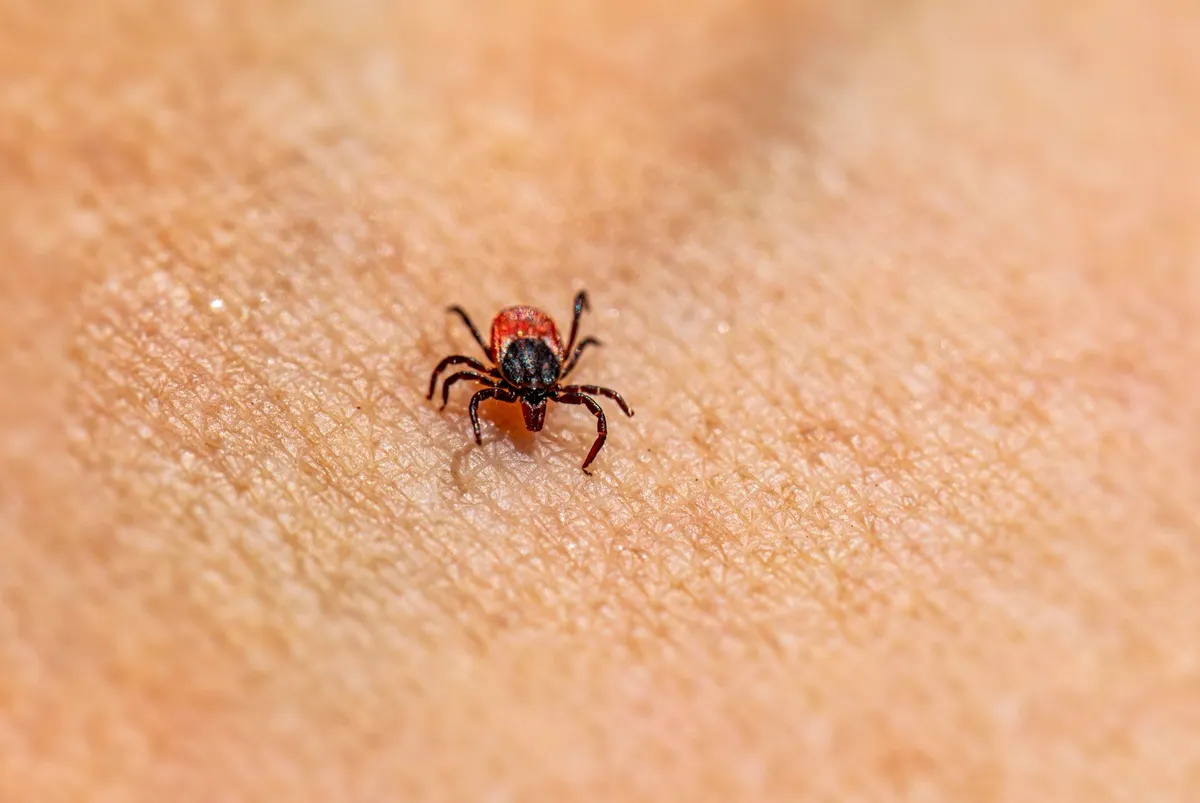
- Anaplasmosis is spread mainly by the blacklegged tick (Ixodes scapularis) in the eastern U.S. and the western blacklegged tick (Ixodes pacificus) along the West Coast.
- Ehrlichiosis (from E. chaffeensis and E. ewingii) is spread mainly by the lone star tick (Amblyomma americanum), found in the south-central and eastern U.S.
Both diseases are most commonly reported during the warmer months, when ticks are most active.
Symptoms to watch for
Symptoms usually begin within about 1 to 2 weeks (roughly 5 to 14 days) after the bite of an infected tick. The most common symptoms of both diseases are:
- Fever
- Headache
- Chills
- Muscle aches
- A general feeling of being unwell (malaise)
Nausea, vomiting, and loss of appetite can also occur.
A rash is uncommon with anaplasmosis. With ehrlichiosis, up to about 1 in 3 people develop a rash, and rash is more common in children than in adults.
Why early treatment matters
Doxycycline is the first-line treatment for both anaplasmosis and ehrlichiosis in adults and children of all ages. When started early, it can prevent severe illness and death, and fever generally subsides within 24 to 48 hours of starting it.
A few important points:
- Doxycycline works best when started early in the illness, ideally within the first week.
- Treatment decisions should be based on your symptoms and history of possible tick exposure. They should not wait for laboratory confirmation.
- If you see a provider at Corewell Health, Trinity Health Grand Rapids, University of Michigan Health-West, or Cherry Health, mention any recent time outdoors or known tick exposure so they can act quickly.
When illness becomes serious
Severe illness can occur, especially when treatment is delayed. People at higher risk for serious disease include those with weakened immune systems and, in some cases, older adults. Complications can include:
- Difficulty breathing
- Bleeding problems
- Organ failure
If you or someone you know develops severe symptoms such as trouble breathing, call 911.
If you have been bitten
Taking antibiotics after a tick bite to try to prevent anaplasmosis or ehrlichiosis is not recommended. Instead:
- Watch for symptoms over about two weeks.
- Contact a healthcare provider if fever, rash, headache, or other symptoms develop.
- Mention your recent tick exposure when you call or visit.
Prevent tick bites
You can lower your risk by keeping ticks from biting in the first place:
- Use EPA-registered insect repellents.
- Treat clothing and gear with permethrin.
- Avoid brushy and wooded areas with high grass.
- Walk in the center of trails.
- Check yourself, children, and pets for ticks after being outdoors.
- Shower soon after coming inside, and promptly remove any attached ticks.
Prompt tick removal and a quick shower both help reduce the risk of tick-borne infection.
When to see a provider
See a healthcare provider promptly if you develop fever or other symptoms after a tick bite or after spending time in areas where ticks live. Early care makes a real difference, so do not wait for symptoms to worsen. The Kent County Health Department is also a resource for general questions about tick-borne illness in our area.
You might also like
Rocky Mountain Spotted Fever: Symptoms, Treatment, and Tick-Bite Prevention in Grand Rapids
Rocky Mountain spotted fever is a serious tick-borne illness that can be deadly without early treatment, but it responds …
Lyme Disease and Tick Bites in West Michigan
Blacklegged ticks that carry Lyme disease have been spreading across Michigan, including the west side of the state. …
Mpox: Symptoms, Spread, and Vaccination
Mpox (formerly monkeypox) is a viral illness that spreads mainly through close, personal contact and usually causes a …