
Adverse Childhood Experiences (ACEs) and Lifelong Health
Adverse Childhood Experiences (ACEs) — like abuse, neglect, or household challenges — can affect health far into adulthood. The encouraging news is that ACEs are preventable, and supportive relationships build resilience. Find comprehensive healthcare information and local resources in Grand Rapids, Michigan.
Adverse Childhood Experiences (ACEs) in Grand Rapids, Michigan
Adverse Childhood Experiences — “ACEs” — are potentially traumatic events that happen in childhood, such as abuse, neglect, or growing up in a household affected by violence, substance use, mental illness, or instability. Research shows that ACEs are common and can have lasting effects on health, learning, and well-being well into adulthood. The hopeful part: ACEs are preventable, and caring, stable relationships help children grow up healthy and resilient — including right here in Grand Rapids and Kent County.
What counts as an ACE
ACEs include experiences before age 18 such as:
- Physical, emotional, or sexual abuse
- Physical or emotional neglect
- Witnessing violence in the home or community
- Having a family member attempt or die by suicide
- Growing up with substance use, mental illness, or instability in the household (for example, parental separation or a household member in jail)
ACEs are common — many adults report at least one. They are not anyone’s fault, and they don’t determine a child’s future.
Why ACEs matter for health
Toxic stress from ACEs can affect a child’s developing brain and body. Over time, ACEs are linked to higher risks of:
- Heart disease, diabetes, and other chronic conditions
- Depression, anxiety, and substance use
- Difficulties in school, work, and relationships
The more ACEs a person experiences, the higher the risk — but risk is not destiny. Support and treatment make a real difference at any age.
Prevention and building resilience
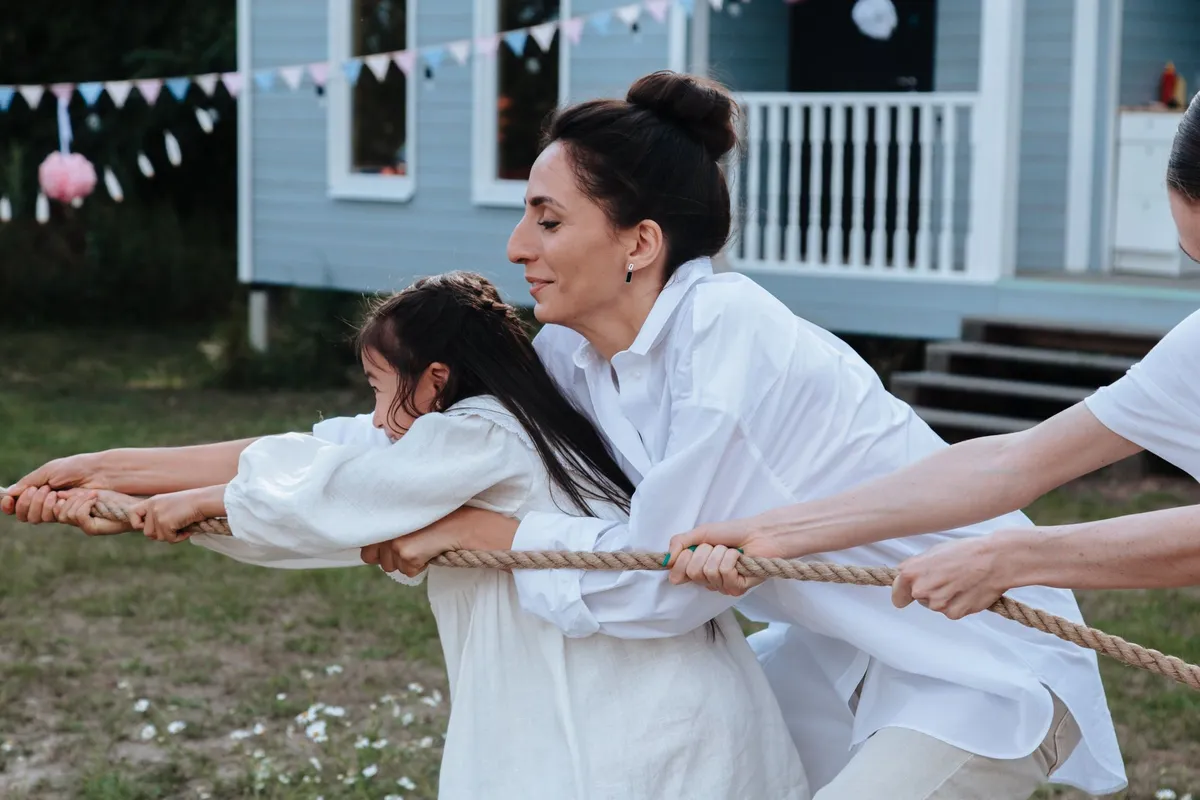
Children do best with safe, stable, nurturing relationships and environments. Families and communities can help by:
- Building strong, caring relationships — even one supportive adult can change a child’s path.
- Strengthening family supports like affordable child care, parenting help, and economic stability.
- Teaching kids coping and problem-solving skills.
- Connecting families to mental-health and community services early.
Local help in Grand Rapids
If you or your child has experienced trauma, support is available — and it works:
- Talk with your pediatrician or primary care doctor, who can screen and refer.
- Network180 (Kent County community mental health) connects families to counseling and services.
- Cherry Health and local school and community programs offer behavioral-health support.
- In crisis, call or text 988, or Network180 at (616) 336-3909.
Healing is possible. Reaching out for support is a strength, not a weakness.
You might also like
Binge Drinking and Alcohol Use: What Grand Rapids Residents Should Know
Learn what binge drinking and excessive alcohol use mean, the short- and long-term health risks, and how to lower your …
Childhood Immunization Schedule: A Grand Rapids Parent's Guide
The CDC childhood immunization schedule lays out which vaccines protect your child and when, from birth through the teen …
Teen and Distracted Driving Safety: A Grand Rapids Guide for Families
Distracted driving puts teens at especially high risk, but clear family rules, seat belts, and Graduated Driver …