
Adult Immunization Schedule: A Grand Rapids Guide to Staying Up to Date
The CDC Adult Immunization Schedule explains which vaccines adults 19 and older need based on age, health conditions, pregnancy, and risk factors. Find comprehensive healthcare information and local resources in Grand Rapids, Michigan.
Adult Immunization Schedule in Grand Rapids, Michigan
Staying current on vaccines is one of the simplest ways to protect your health through every season in West Michigan, from flu-heavy winters along Lake Michigan to busy summers on the Grand River. The CDC Adult Immunization Schedule lays out which vaccines adults need and when, and providers across Grand Rapids, including Corewell Health, Trinity Health Grand Rapids, University of Michigan Health-West, and Cherry Health, can help you catch up. The Kent County Health Department is another local resource for vaccination questions. This guide breaks the schedule down in plain language.
What the Adult Immunization Schedule Is
The CDC Adult Immunization Schedule is an annually updated set of vaccine recommendations for people aged 19 years and older. It is developed by the CDC’s Advisory Committee on Immunization Practices (ACIP). The schedule pulls everything together in one place, showing which vaccines adults should receive based on age, health conditions, pregnancy, and other risk factors.
Why Vaccines Still Matter as an Adult
Vaccines work by safely prompting your immune system to build protection against specific diseases. That lowers your chance of getting sick and reduces the risk of severe illness, hospitalization, and spreading disease to others.
Staying current as an adult matters because:
- Protection from some childhood vaccines can fade over time.
- New vaccines are recommended at older ages.

Vaccines Recommended Every Year or Periodically
Some vaccines are not a one-and-done event.
- Seasonal influenza (flu): CDC recommends a flu vaccine every year for all adults aged 19 and older. Adults aged 65 and older are preferentially recommended to receive a higher-dose or adjuvanted flu vaccine (high-dose, adjuvanted, or recombinant influenza vaccine). A fall flu shot is a smart habit before West Michigan’s cold winter sets in.
- COVID-19: CDC recommends adults stay up to date with COVID-19 vaccination. Recommendations are updated periodically, so check current CDC guidance or ask a healthcare provider which dose you need based on your age and health status.
Tetanus, Diphtheria, and Whooping Cough (Tdap/Td)
These vaccines protect against tetanus, diphtheria, and pertussis (whooping cough).
- Every adult should receive one dose of Tdap if they did not get it as an adolescent.
- After that, get a Td or Tdap booster every 10 years.
- A Tdap dose is recommended during every pregnancy to protect the newborn from whooping cough.

Vaccines Tied to Your Age
Several vaccines become routine as you get older.
- Shingles (RZV/Shingrix): CDC recommends the recombinant zoster vaccine for adults aged 50 and older, given as two doses. It helps prevent shingles and complications such as long-lasting nerve pain.
- Pneumococcal: CDC recommends pneumococcal vaccination for all adults aged 50 and older who have not previously received a pneumococcal conjugate vaccine. It is also recommended for younger adults with certain medical conditions or risk factors.
- RSV (respiratory syncytial virus): CDC recommends a single dose of RSV vaccine for all adults aged 75 and older, and for adults aged 50 through 74 who are at increased risk of severe RSV disease. RSV vaccination is also recommended during pregnancy to protect the infant.
Vaccines Based on Age and Risk
These vaccines depend on your age, health history, and personal situation.
- HPV: HPV vaccination is routinely recommended through age 26 for those not adequately vaccinated. Some adults aged 27 through 45 may benefit and can decide with their healthcare provider through shared clinical decision-making.
- Hepatitis B: Recommended for all adults aged 19 through 59, and for adults 60 and older with risk factors. Those 60 and older without risk factors may also choose to be vaccinated.
- Measles, mumps, and rubella (MMR) and chickenpox (varicella): Adults should make sure they are protected if they lack evidence of immunity or prior vaccination. Some adults need catch-up doses.
Vaccines During Pregnancy
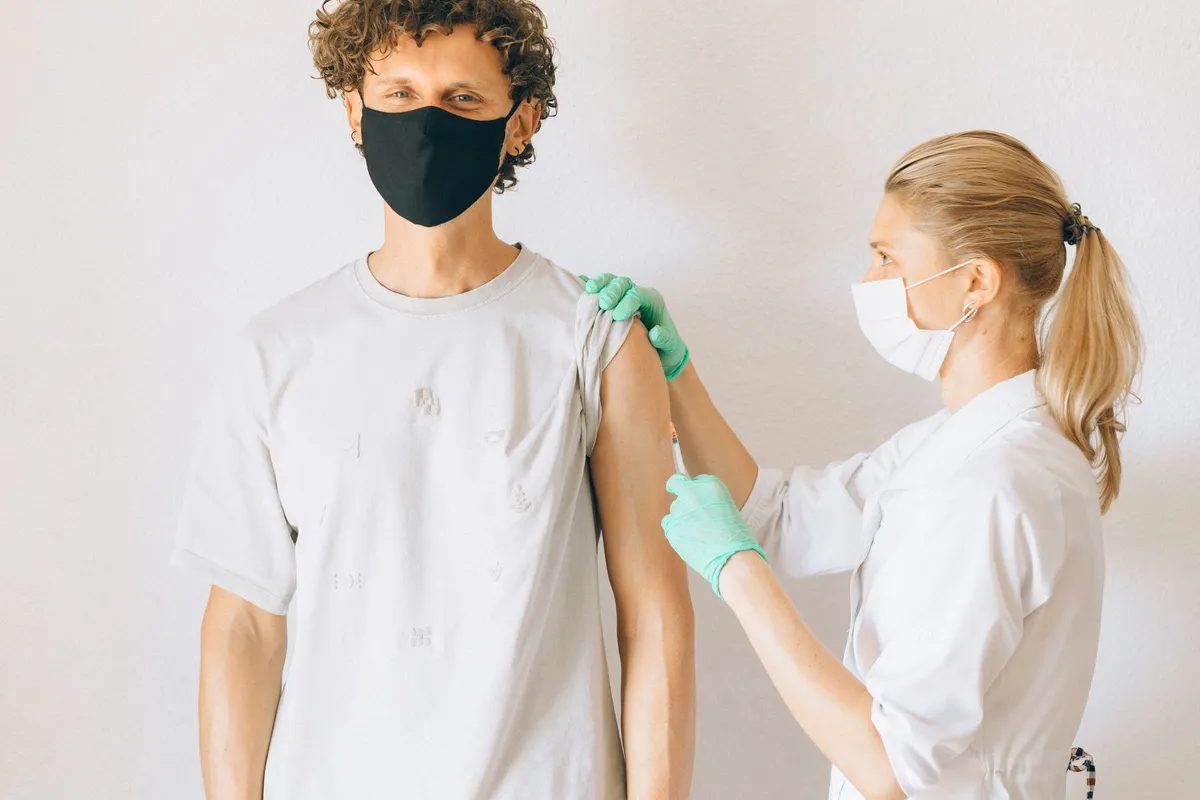
If you are pregnant, a few vaccines deserve special attention. A Tdap dose is recommended during every pregnancy to protect your newborn from whooping cough, and RSV vaccination is recommended during pregnancy to protect your infant. Talk with your prenatal care team in Grand Rapids about timing.
Who Should Pay Extra Attention
Talk with a healthcare provider or pharmacist about which vaccines you need, especially if you:
- Are pregnant.
- Have a weakened immune system or a chronic condition.
- Are traveling internationally.
- Are unsure of your vaccination history.
Many Grand Rapids pharmacies, primary care offices, Cherry Health clinics, and the Kent County Health Department can review your records and help you catch up.
Safety and When to Seek Help
Vaccines are a safe, routine part of adult health care. Severe reactions are rare, but it helps to know the warning signs. Seek prompt medical care for a severe allergic reaction after any vaccine, such as difficulty breathing, swelling, or hives. For a life-threatening reaction, call 911 right away.
Key Points
- The CDC Adult Immunization Schedule covers adults aged 19 and older and is updated every year.
- Flu vaccine is recommended yearly, and adults should stay up to date with COVID-19 vaccination.
- Tdap, shingles, pneumococcal, RSV, HPV, hepatitis B, MMR, and varicella each have their own age and risk guidelines.
- Pregnancy calls for Tdap and RSV vaccination to protect the baby.
- When in doubt, ask a Grand Rapids provider or pharmacist to review your vaccination history.
You might also like
Babesiosis: A Tick-Borne Illness Guide for Grand Rapids, Michigan
Babesiosis is a parasite infection spread mainly by blacklegged (deer) tick bites that can cause flu-like illness and …
Chikungunya: Symptoms, Treatment, and Prevention for Grand Rapids Travelers
Chikungunya is a mosquito-borne virus that causes fever and joint pain, mostly affecting Grand Rapids residents who …
Childhood Immunization Schedule: A Grand Rapids Parent's Guide
The CDC childhood immunization schedule lays out which vaccines protect your child and when, from birth through the teen …