
Absent periods – amenorrhea
Periods usually happen every month. Amenorrhea is the absence of menstrual periods. Find comprehensive healthcare information and local resources in Grand Rapids, Michigan.
Absent Periods (Amenorrhea) in Grand Rapids, Michigan
Amenorrhea (pronounced “ay-men-or-REE-ah”) means not having a menstrual period when you normally should. In Grand Rapids and across West Michigan, absent periods are a common concern seen in primary care, OB‑GYN, and adolescent health clinics.
This guide explains what a normal period is, why periods may be late or stop, and when to see a doctor in Grand Rapids, MI.
What Is a Period?
A period is the part of your menstrual cycle when you bleed from your vagina, usually every month.
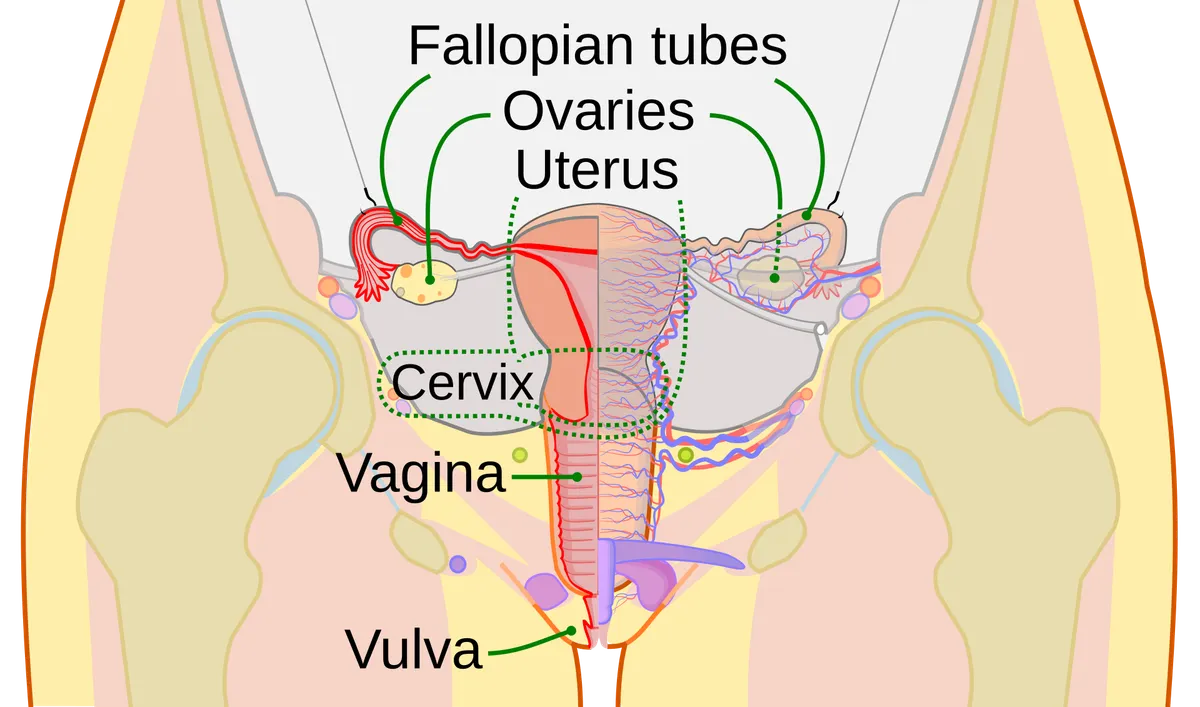
If you are not pregnant, your hormones send a signal to your uterus (womb) to shed its lining. This shedding is what causes menstrual bleeding.
Understanding Your Menstrual Cycle
- Day 1 of your cycle is the first day of bleeding.
- Your cycle ends the day before your next period starts.
- The average cycle length is about 28 days, but anything from about 21 to 35 days in adults can be normal.
- Every person’s cycle is different, and cycles can change over time.
In Grand Rapids, many people notice their cycles feel different during times of stress (for example, exam season at local colleges, job changes, or during the long Michigan winter) or during big life changes.
When Is It Normal to Miss Periods?
It can be normal to miss periods at certain stages of life, including:
- Just after your first period (menarche) – cycles can be irregular for the first few years.
- During pregnancy – periods stop while you are pregnant.
- While breastfeeding – some people do not get periods for months after childbirth.
- In the lead-up to menopause (perimenopause) – usually in your 40s to early 50s.
- After stopping hormonal birth control – your cycle may take a few months to settle.
However, if your period is late, has changed a lot, or stops completely, it’s important to find out why.
What Is Amenorrhea?
Amenorrhea means not having a period when you would normally expect one.
There are two main types:
Primary Amenorrhea
- Your periods have never started.
- Typically diagnosed if you have not had your first period by age 16–17.
Secondary Amenorrhea
- Your periods started in the past but have now stopped.
- Usually defined as:
- Missing 3 or more periods in a row, or
- Having fewer than 9 periods in a year.
Both primary and secondary amenorrhea are seen in Grand Rapids clinics, including Corewell Health (formerly Spectrum Health), Trinity Health Grand Rapids, and University of Michigan Health-West (formerly Metro Health) practices.
First Step: Check If You’re Pregnant
If your period is late or stops and you are sexually active, the first step is to check if you’re pregnant, even if you are using contraception.
You can:
- Buy a home pregnancy test from a Grand Rapids pharmacy (Meijer, Walgreens, CVS, etc.).
- Visit your primary care doctor, OB‑GYN, or a local clinic such as:
- Corewell Health or Trinity Health Grand Rapids OB‑GYN clinics
- Planned Parenthood or local sexual health services
- Kent County Health Department reproductive health clinics
If the pregnancy test is positive, see a doctor or midwife promptly to discuss your options and prenatal care.
If the test is negative and your period still does not come, you should see a health professional to look for other causes.
What Causes Absent Periods?
The most common reason for absent periods (when not pregnant) is a hormonal imbalance. Hormones are chemical messengers that control your menstrual cycle, mainly from your ovaries, pituitary gland, and thyroid.
Several medical, lifestyle, and environmental factors—some especially relevant in Grand Rapids and Michigan—can affect these hormones.
Common Causes of Amenorrhea
1. Polycystic Ovarian Syndrome (PCOS)
- A common hormone condition affecting the ovaries.
- Can cause:
- Irregular or absent periods
- Acne, excess hair growth, or weight gain
- Difficulty getting pregnant
- PCOS is frequently diagnosed and managed at local OB‑GYN clinics and endocrinology practices in Grand Rapids.
2. Pituitary or Thyroid Disease
- The pituitary gland (in the brain) and the thyroid gland (in the neck) help regulate reproductive hormones.
- Conditions such as:
- Hypothyroidism (underactive thyroid)
- Hyperthyroidism (overactive thyroid)
- Pituitary tumors or disorders
can all affect your periods.
3. Low Body Weight and Poor Nutrition
- Having a very low body mass index (BMI) or not eating enough calories can stop ovulation and periods.
- This is sometimes seen in:
- People with eating disorders (e.g., anorexia nervosa)
- Athletes or dancers with intense training and low body fat
- In cold Michigan winters, some people unintentionally lose weight due to reduced appetite, mood changes, or increased indoor training, which can contribute to menstrual changes.
4. Excessive Exercise
- Very high levels of exercise, especially combined with low calorie intake, can lead to “athletic amenorrhea”.
- This can affect:
- Competitive athletes
- Long-distance runners
- People doing intense training without adequate nutrition
5. Weight Gain and Obesity
- Significant weight gain or obesity can disrupt hormone balance and ovulation.
- This is often linked with PCOS and insulin resistance.
- In West Michigan, where sedentary jobs and long winters can reduce outdoor activity, weight-related hormone changes are common.
6. Severe Anxiety and Stress
- Major life stressors—such as job loss, caregiving stress, academic pressure at local colleges (GVSU, GRCC, Calvin, Aquinas), or financial strain—can affect the brain centers that control hormones.
- This may temporarily stop ovulation and periods.
7. Eating Disorders
- Conditions such as anorexia nervosa or bulimia can cause:
- Low weight or rapid weight loss
- Nutritional deficiencies
- Hormonal disruption and absent periods
- Treatment often involves specialist care, including mental health professionals, dietitians, and medical monitoring.
8. Uterine Conditions (e.g., Asherman’s Syndrome)
- Asherman’s syndrome is a rare condition where scar tissue forms inside the uterus.
- It can occur after:
- Uterine surgery
- Dilation and curettage (D&C)
- Certain infections
- The scarring can prevent the normal buildup and shedding of the uterine lining, leading to light or absent periods.
9. Menopause and Perimenopause
- Perimenopause is the transition phase before menopause, usually in your 40s or 50s.
- Periods may:
- Become irregular
- Be heavier or lighter
- Occur more or less often
- Menopause is confirmed when you have had no periods for 12 months (not due to another cause).
How Grand Rapids Lifestyle and Climate Can Affect Periods
Living in Grand Rapids and the broader West Michigan region can influence menstrual health:
Long, cold winters can:
- Reduce outdoor activity
- Affect mood (seasonal affective disorder)
- Change eating and sleeping patterns
All of these can contribute to weight changes and stress, both of which may impact your cycle.
Seasonal work and shift work (healthcare, manufacturing, hospitality) can disrupt sleep and stress levels, which may alter hormone balance.
If you notice your periods change with the seasons or during stressful times, discuss this pattern with your doctor.
How Are Absent Periods Diagnosed?
Your doctor in Grand Rapids will usually:
Take a detailed medical history, including:
- Age when periods started
- Usual cycle length and flow
- Recent changes in weight, stress, exercise, or diet
- Medications, birth control, and family history
Perform a physical exam, which may include:
- Checking weight, BMI, blood pressure
- Looking for signs of hormone imbalance (acne, hair growth, thyroid enlargement)
Order tests, which may include:
- Pregnancy test
- Blood tests for:
- Thyroid function
- Prolactin
- Ovarian hormones (FSH, LH, estrogen)
- Androgens (testosterone) for PCOS
- Pelvic ultrasound to look at the uterus and ovaries
- Other imaging or tests if needed
These services are available through:
- Corewell Health and Trinity Health Grand Rapids hospitals and outpatient clinics
- University of Michigan Health-West and Trinity Health Grand Rapids systems
- Private OB‑GYN and endocrinology practices in the Grand Rapids area
Treatment for Absent Periods
Treatment for amenorrhea in Grand Rapids depends on the cause. Your doctor will usually treat any underlying condition first.
Possible Treatment Options
- Hormone therapy
- Birth control pills, patches, or hormonal IUDs to regulate periods
- Other hormone medications for thyroid or pituitary problems
- Medication
- To treat PCOS, thyroid disease, or high prolactin levels
- Lifestyle changes
- Adjusting exercise levels
- Improving sleep and stress management
- Achieving a healthy weight (gaining or losing weight as needed)
- Nutritional advice
- Working with a registered dietitian to ensure adequate calories and nutrients
- Specialist care
- For eating disorders (e.g., referral to a mental health specialist, eating disorder program, or nutritionist)
- Surgery
- In selected cases, such as Asherman’s syndrome or some pituitary tumors
Your care may involve a team that can include:
- A primary care doctor (family doctor)
- Gynecologist / OB‑GYN
- Endocrinologist
- Dietitian
- Mental health professional
When to See a Doctor in Grand Rapids, MI
Make an appointment with your doctor or a local clinic if:
- Your periods have not started by age 16–17.
- You have missed 3 or more periods in a row (and you are not pregnant).
- You have had fewer than 9 periods in a year.
- Your periods suddenly become much lighter, heavier, or more painful than usual.
- You have symptoms of hormone imbalance, such as:
- Excess facial or body hair
- Severe acne
- Unexplained weight gain or loss
- You think you might have an eating disorder or are over‑exercising.
- You are trying to get pregnant and your cycles are irregular or absent.
Tracking Your Periods
Keeping track of your cycle can help your doctor understand what is happening.
Record:
- Start and end dates of each period
- Flow (light, medium, heavy)
- Symptoms, such as cramps, headaches, mood changes
- Missed periods or spotting between periods
- Any major lifestyle changes, such as:
- New medications
- Changes in exercise, diet, or weight
- Significant stress (job changes, moving, caregiving, school exams)
You can use a notebook, calendar, or a period‑tracking app.
Local Resources in Grand Rapids, Michigan
If you are concerned about absent periods or menstrual health, you can seek help from:
Primary Care / primary care doctor Offices
Many family medicine and internal medicine practices throughout Grand Rapids can evaluate amenorrhea and refer you if needed.Hospitals and Health Systems
- Corewell Health (Corewell Health) – Grand Rapids
- Trinity Health Grand Rapids
- University of Michigan Health-West
- Trinity Health Grand Rapids
OB‑GYN and Women’s Health Clinics
Located throughout the Grand Rapids metro area, offering menstrual, fertility, and hormone care.Kent County Health Department & Grand Rapids Public Health Services
Provide reproductive and sexual health services, education, and referrals for local residents.Mental Health and Eating Disorder Services
If your absent periods may be linked to stress, anxiety, depression, or an eating disorder, your primary care doctor can refer you to local therapists, psychiatrists, or specialized programs.
Key Points About Absent Periods (Amenorrhea)
- If your period is late or stops, always check if you are pregnant first.
- Hormonal imbalance is the most common cause of absent periods when you’re not pregnant.
- Causes can include:
- Low body weight and poor nutrition
- Excessive exercise
- Eating disorders (such as anorexia nervosa)
- Weight gain and obesity
- PCOS, thyroid, or pituitary disease
- Uterine scarring (e.g., Asherman’s syndrome)
- Stress and major life changes
- Treatment depends on the cause and may involve:
- Hormone therapy
- Medication
- Lifestyle changes
- Nutritional advice
- Surgery
- Specialist care (especially in the case of eating disorders)
- See a doctor if:
- Your periods have not started by age 16–17
- You have missed 3 or more periods in a row
- You have fewer than 9 periods in a year
If you live in Grand Rapids, MI and are worried about absent periods or menstrual changes, contact your primary care doctor, an OB‑GYN, or a local clinic to get a proper diagnosis and a personalized treatment plan.
You might also like
Diabetes
People with diabetes have high blood glucose levels caused by a problem with the hormone insulin. The 2 main types of …
Water – a vital nutrient
Water is essential to most bodily functions. The body has no way to store water and needs fresh supplies every day. Find …
Cholesterol - healthy eating tips
Cholesterol is a waxy, fatty substance found in your blood. There are two main types: ‘good’ cholesterol (high-density …