 Grand Rapids Care
Abdominal Pain in Adults in Grand Rapids, MI
Abdominal pain is any pain felt between your lower ribs and your pelvis. You may hear it called stomach pain, tummy pain, or belly pain. This area contains many important organs, including your stomach, liver, pancreas, gallbladder, small and large intestines, kidneys, and reproductive organs, as well as major blood vessels.
In adults living in Grand Rapids, most abdominal pain is not dangerous and often improves on its own without surgery. However, some causes can be serious and need urgent care at a Grand Rapids hospital, urgent care clinic, or emergency department.
When to Seek Emergency Care in Grand Rapids
Go straight to your doctor, an urgent care clinic, or the emergency department at a local Grand Rapids hospital (such as Corewell Health – Spectrum Health Butterworth Hospital, Trinity Health Grand Rapids, University of Michigan Health–West/Metro Health, or Mercy Health), or call 911 if you have:
- Severe abdominal pain
- Pain that lasts for several hours and is not improving
- Abdominal pain with:
- Vomiting or vomiting blood
- Shortness of breath
- Fever, chills, or sweats (common with winter infections in West Michigan)
- Becoming pale, cold, or clammy
- Blood in your stool (black, tarry, or bright red)
- Blood in your urine
- Pain that spreads to your chest, neck, or shoulder
- Pain and vaginal bleeding if you are pregnant
- Sudden pain in the scrotum (in males)
- Inability to pass urine
- Inability to move your bowels or pass gas
If you’re unsure how serious your symptoms are, contact your primary care provider in Grand Rapids, a local urgent care clinic, or call 911 in an emergency.
Common Types of Abdominal Pain
Abdominal pain can feel very different from one person to another. It may:
- Be sharp, dull, stabbing, cramping, twisting, or burning
- Be brief, come and go in waves, or be constant
- Make you feel nauseated or cause you to vomit
- Make you want to stay very still or make you so uncomfortable that you pace or can’t find a comfortable position
The pain can range from a mild annoyance to a sign of a condition that needs urgent surgery at a Grand Rapids hospital.
Common Causes of Abdominal Pain in Adults
Because the abdomen contains many organs, there are many possible causes of pain. Some common causes include:
Digestive Causes
- Gas, bloating, or indigestion
- Constipation (often more common in winter when Grand Rapids residents are less active and drink fewer fluids)
- Stomach or duodenal ulcers
- Gastroenteritis (stomach flu), which often spreads in schools and workplaces around Kent County
- Irritable bowel syndrome (IBS)
Gallbladder and Liver
- Gallstones (often cause pain in the right upper abdomen)
- Gallbladder inflammation (cholecystitis)
- Hepatitis or other liver problems
Pancreas
- Pancreatitis (inflammation of the pancreas), sometimes related to alcohol use or gallstones
Kidneys and Urinary Tract
- Kidney stones (more common when people get dehydrated in summer or with low fluid intake in winter)
- Kidney infection
- Bladder infection (UTI)
Reproductive Organs
- Ovarian cysts or torsion
- Ectopic pregnancy (pregnancy outside the womb – emergency)
- Pelvic inflammatory disease (PID)
- Endometriosis
- Severe menstrual (period) pain
Serious Surgical Causes
- Appendicitis
- Bowel obstruction (blockage)
- Hernia that becomes trapped (incarcerated or strangulated hernia)
- Perforated ulcer or bowel
Causes Outside the Abdomen
- Heart attack
- Pneumonia (especially in the lower lung, more common during cold West Michigan winters)
- Shingles (painful rash)
- Muscle strain in the abdominal wall (can happen with shoveling snow, yardwork, or sports)
In West Michigan, seasonal illnesses like viral gastroenteritis and respiratory infections can trigger or worsen abdominal pain, especially during winter and early spring.
How Doctors in Grand Rapids Evaluate Abdominal Pain
When you see a doctor at a Grand Rapids clinic, urgent care, or hospital for abdominal pain, they will start with questions and a physical exam. This helps them decide whether your pain is likely to be mild and self-limiting or something that needs urgent tests or surgery at a local hospital such as Spectrum Health or Trinity Health Grand Rapids.
Questions Your Doctor May Ask
1. Where is the pain?
- Pain in the right upper abdomen (between your belly button and ribs) may suggest gallstones or gallbladder problems. This pain may spread (radiate) to your right shoulder or back.
- Pain in the center of the abdomen is often related to the intestines or stomach.
- Pain in the lower abdomen may be related to the colon, bladder, or reproductive organs.
- In males, testicular pain can sometimes be felt as pain in the center of the abdomen.
2. When did the pain start and how long has it lasted?
- Acute pain: present for less than 1–2 days
- Persistent pain: lasts more than 1��2 days
- Chronic pain: lasts more than 2 weeks
3. How severe is the pain?
You may be asked to rate your pain from 0 to 10:
- Mild: 1–3 (uncomfortable but doesn’t stop you from usual activities)
- Moderate: 4–6 (interferes with some activities)
- Severe: 7–10 (stops all other activities, similar to labor pain in childbirth)
4. Does the pain come and go?
- Pain that comes in waves or cramps (colicky pain) often comes from the bowel, gallbladder, or urinary tract.
- Pain that is constant may be from ulcers, inflammation, or infection.
5. Have you had this pain before?
- Recurrent episodes every few months may suggest gallstones, kidney stones, or chronic digestive conditions such as IBS.
6. What was happening before the pain started?
Your doctor may ask about:
- Recent injuries (sports, car accidents, or falls on ice during Michigan winters)
- New medications (such as anti-inflammatories or certain antibiotics)
- Heavy alcohol use or a very large meal (can trigger pancreatitis)
- Recent travel, especially outside Michigan
7. Are there other symptoms?
- Blood in urine plus flank pain (pain between ribs and pelvis) may suggest kidney stones.
- Diarrhea, constipation, or changes in stool color or shape
- Pain with urination or needing to urinate more often
- Period problems, unusual vaginal bleeding or discharge
- Unintentional weight loss or loss of appetite
8. Have you had abdominal surgery or radiation before?
- Previous operations or radiation can cause scar tissue (adhesions) that may lead to bowel obstruction or chronic pain.
Physical Exam and Possible Tests in Grand Rapids
After discussing your symptoms, your doctor will examine your abdomen and may also check other areas.
Possible Examinations
- Abdominal exam (looking, listening, and gently pressing on the abdomen)
- Rectal exam to check for hidden blood or other problems
- Pelvic exam in women to check the uterus, fallopian tubes, and ovaries
- Exam of the penis and scrotum in men
Possible Tests
Not everyone needs tests. If your symptoms are mild and improving, your doctor may safely monitor you without further testing. If tests are needed, they may include:
Blood tests
- Check for infection (high white blood cell count)
- Check for bleeding (low hemoglobin)
- Check liver, pancreas, and kidney function
Urine test
- Look for infection or blood (kidney stones, UTI)
Pregnancy test
- For anyone who could be pregnant, especially with lower abdominal pain
Imaging tests (readily available at Grand Rapids hospitals and imaging centers)
- X-ray
- Ultrasound (often used for gallbladder, appendix, pregnancy, ovaries, and kidneys)
- CT scan
ECG (electrocardiogram)
- To rule out a heart attack if upper abdominal or chest pain is present
Endoscopy
- A flexible tube with a light and camera is used to look inside the esophagus, stomach, or intestines without major surgery (such as upper endoscopy or colonoscopy).
Sometimes, your primary care provider or urgent care clinician may refer you to a gastroenterologist or surgeon at Corewell Health – Spectrum Health, Trinity Health Grand Rapids, University of Michigan Health–West/Metro Health, or another local specialist for further evaluation.
Treatment for Abdominal Pain in Adults in Grand Rapids
Your treatment depends on the cause of your pain. In Grand Rapids, MI, you may receive care through your primary care provider, an urgent care clinic, or a local hospital.
Medical Treatments
Pain relief
- Mild painkillers such as acetaminophen (paracetamol)
- Avoid aspirin or non-steroidal anti-inflammatory drugs (NSAIDs) unless your doctor specifically advises them, as they can worsen some types of abdominal pain (such as ulcers).
Fluids
- Oral fluids or intravenous (IV) fluids to prevent or correct dehydration, especially if you are vomiting or have diarrhea. This is important during hot, humid West Michigan summers and during winter illnesses when people tend to drink less water.
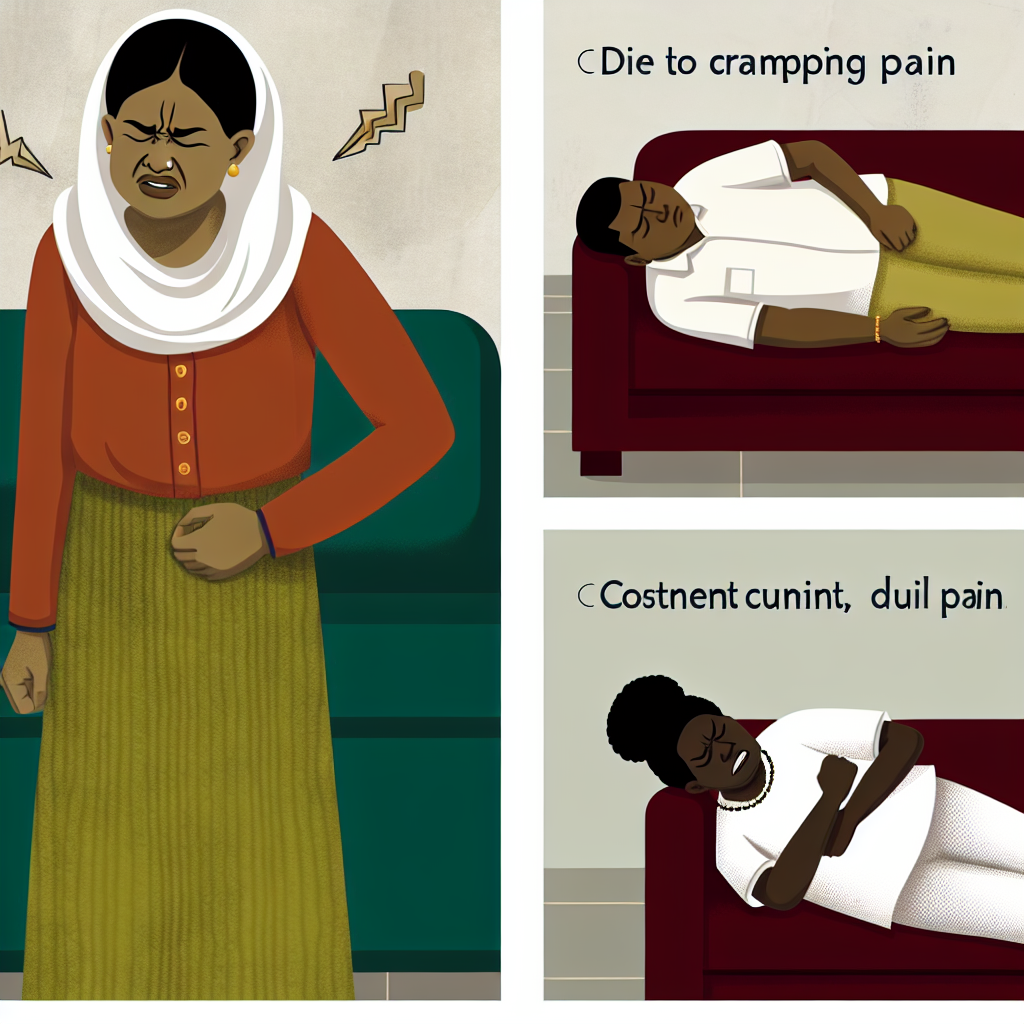
Different Sensations of Abdominal Pain
Medicines
- Antacids or acid-reducing medicines for certain types of upper abdominal pain
- Antibiotics for infections (such as UTIs, PID, or some gastrointestinal infections)
- Medicines to relieve nausea, constipation, or diarrhea
Fasting (not eating for a period)
- Sometimes recommended to rest the bowel until the cause of pain is clearer.
Surgery or procedures
- May be needed for appendicitis, gallstones, bowel obstruction, ectopic pregnancy, or other serious conditions. These procedures are available at major Grand Rapids hospitals and surgical centers.
Caring for Abdominal Pain at Home in Grand Rapids
Be guided by your doctor or local urgent care provider, but for mild pain that has been checked and is not considered serious, you may:
Use Heat Carefully
- Place a warm (not hot) water bottle or heating pad on your abdomen.
- Soak in a warm bath, especially helpful during cold Grand Rapids winters.
- Always protect your skin and avoid burns.
Watch What You Eat and Drink
- Reduce coffee, tea, alcohol, and very spicy or fatty foods, which can make some pain worse.
- When you can eat again, start with:
- Clear liquids (broth, clear juices, electrolyte drinks)
- Then bland foods such as crackers, rice, bananas, or toast.
- Follow any specific diet advice your doctor gives you.
Stay Hydrated
- Sip plenty of clear fluids such as water or oral rehydration solutions.
- Stay hydrated during both hot summers and dry, heated indoor air in winter, which can increase dehydration risk in Grand Rapids.
Rest
- Get plenty of rest and avoid heavy lifting (including snow shoveling) or strenuous exercise until you feel better.
Over-the-Counter Medicines
- Antacids may help some types of upper abdominal pain.
- Use acetaminophen as directed on the package for mild pain, unless your doctor has advised otherwise.
- Always check the label for correct dosing and avoid taking multiple medicines that contain acetaminophen.
If your pain worsens, changes, or does not improve over a few days, contact your doctor or a Grand Rapids urgent care clinic for further advice.
Local Grand Rapids Resources for Abdominal Pain
If you need evaluation for abdominal pain in Grand Rapids, MI, you can seek care at:
Primary Care Providers
- Family medicine and internal medicine clinics throughout Grand Rapids, including practices affiliated with:
- Corewell Health – Spectrum Health
- Trinity Health Grand Rapids
- University of Michigan Health–West/Metro Health
- Mercy Health and independent medical groups
Urgent Care Clinics
Many urgent care centers in the Grand Rapids area offer walk-in or same-day care for non-life-threatening abdominal pain, including:
- Spectrum Health urgent care locations
- Trinity Health Grand Rapids urgent care clinics
- University of Michigan Health–West/Metro Health urgent care centers
- Other local walk-in clinics across Kent County
Emergency Departments
For severe or sudden abdominal pain, go to or call 911 for:
- Corewell Health – Spectrum Health Butterworth Hospital
- Trinity Health Grand Rapids Hospital
- University of Michigan Health–West (Metro Health)
- Mercy Health and other local hospital emergency departments
Public Health Support
- Kent County Health Department – offers information on food safety, infectious disease outbreaks, and chronic disease prevention.
- Grand Rapids Public Health resources – provide education on nutrition, weight management, diabetes, and heart disease, which can all affect digestive health and abdominal symptoms.
In an emergency, always call 911.
Key Points About Abdominal Pain in Adults in Grand Rapids
- Most abdominal pain is mild and improves with time and simple treatment.
- Sometimes the cause of abdominal pain is never found, or only becomes clear later.
- Many causes are not serious, but some are emergencies and need rapid care at a Grand Rapids emergency department.
- See a doctor urgently or go to a local ER if your pain is severe, lasts for several hours, or is accompanied by worrying symptoms such as fever, vomiting, bleeding, or difficulty breathing.
- Your doctor will ask detailed questions, examine you, and may order tests to find the cause and decide on the best treatment.
- Follow your doctor’s advice, rest, stay hydrated through Michigan’s changing seasons, and seek help promptly if your symptoms worsen or do not improve.